
Air Conditioner Buying Guide 2026: 5 Things to Know Before You Buy
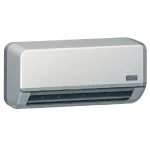
Choosing the right air conditioner in 2026 is no longer just about picking a BTU number; it’s about balancing modern inverter efficiency with the electrical realities of your home. This guide breaks down how to identify your system’s limits, navigate new SEER2 efficiency standards, and decide if that old R-22 unit is worth one more repair.
5 Key Factors When Buying an Air Conditioner
1Compressor Type (Inverter vs. Standard)
Why it matters
Standard compressors are either ‘fully on’ or ‘fully off,’ leading to temperature swings and noisy cycles. Inverter technology (variable speed) allows the AC to slow down once the target temp is reached, maintaining a steady climate and reducing energy draw.
What to look for
- Soft Start: Inverter units don’t have the massive power ‘surge’ when they turn on.
- Continuous Dehumidification: Because they stay on at a low speed, they are superior at removing moisture from the air.
Expert Take
An inverter AC is the single best upgrade for a bedroom. Because the compressor doesn’t ‘clunk’ on and off, you won’t be woken up by sudden changes in noise or temperature.
2Sizing (BTUs) & Filter Maintenance
Why it matters
Correct sizing is the difference between comfort and a ‘cold-clammy’ room. Additionally, even the best AC will fail if the filter is clogged. In 2026, many units include ‘Filter Check’ lights to maintain airflow and prevent ice buildup on the coils.
What to look for
- AHAM Sizing Chart: Match your square footage strictly to the BTU class.
- Easy-Access Filters: Look for filters that slide out the front rather than requiring you to disassemble the housing.
Expert Take
ENERGY STAR recommends checking filters monthly during heavy use. A dirty filter can reduce efficiency by 5–15% and is the #1 cause of “my AC isn’t blowing cold air” service calls.
3Efficiency Standards (SEER2 vs. SEER)
Why it matters
Efficiency standards changed in 2023. SEER2 uses a more rigorous testing methodology with higher external static pressure. A SEER2 rating is not directly comparable to an old SEER rating; the new standard is more representative of real-world home performance.
What to look for
- ENERGY STAR Certified: Check the certified product list for the minimum CEER threshold for your unit’s BTU class.
- Rebates: Many utilities offer $50–$200 back for units meeting high SEER2 benchmarks.
Expert Take
Don’t be fooled by high SEER2 numbers if you only use your AC for two weeks a year. The “payback period” for a premium efficiency unit is fastest for users in humid, southern climates where the AC runs daily.
4Noise Levels & Night Modes
Why it matters
For bedrooms, noise is a dealbreaker. Standard window units run at 55–60 dB. Quality mini-splits and U-shaped inverter window units now offer ‘Quiet’ modes that operate between 26–35 dB—roughly the level of a quiet library.
What to look for
- U-Shaped Design: This allows the window to close through the unit, keeping the compressor noise outside.
- Sleep Mode: Automatically dims lights and lowers fan speed for nighttime use.
Expert Take
If the spec sheet doesn’t list the decibel level, it’s likely loud. Quality manufacturers in 2026 prioritize and advertise their low dB ratings as a core feature.
5Installation & Electrical Requirements
Why it matters
Where you put the AC—and how you power it—is the most common ‘hidden cost’ of the category. Vertical windows or casement windows require specialized ‘casement ACs’ or portable units. Furthermore, high-capacity units require dedicated electrical circuits.
What to look for
- Dedicated Circuits: High-BTU units need their own breaker to avoid fire hazards and nuisance tripping.
- Installation Labor: Mini-split installs in 2026 typically range from $1,000–$3,500+; always get an electrical quote before purchasing the hardware.
Expert Take
If you have a “crank-out” window, don’t assume a portable AC is your only choice. Vertical “casement-style” window units exist, and while they cost more, they are significantly more efficient than any dual-hose portable.
Key Decision Factors
| Factor | Price Impact | Importance | Deal Breaker |
|---|---|---|---|
| Compressor Type (Inverter vs. Standard) | $100-$300 more | Critical | Yes |
| Sizing (BTUs) & Filter Maintenance | $50-$200 difference | Critical | Yes |
| Efficiency Standards (SEER2 vs. SEER) | $80-$250 more | High | No |
| Noise Levels & Night Modes | $40-$100 more | High | No |
| Installation & Electrical Requirements | $1,000-$3,500 (Mini-split install) | High | Yes |
Common Mistakes
- SINGLE-HOSE PORTABLES: Avoid single-hose units; they exhaust conditioned air out the window, creating a vacuum that pulls hot, humid outdoor air back into your home through gaps and vents.
- 240V SURPRISES: Check the plug type before purchase. High-capacity window units (12,000+ BTU) often require a 240V outlet, which standard 120V wall outlets cannot accommodate without professional rewiring.