
Window vs Portable vs Mini-Split Air Conditioners (2026): Efficiency, Installation, and Noise
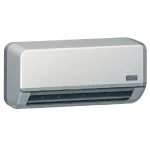
This comparison page helps resolve the biggest buyer fork in the road. Decide platform first, then compare specific models.
3 Key factors for Window vs Portable vs Mini-Split Air Conditioners
1Installation Complexity and Property Constraints
Why it matters
This constraint is determined by your property rights and window type. Window and portable units are temporary and consumer-installable, whereas mini-splits require permanent modifications—specifically a 2.5–3.5 inch penetration hole through the exterior wall—that are often prohibited in rentals or strictly regulated by HOAs.
Window — Choose this if
- You have standard double-hung windows or have sourced a specialized vertical unit for casement (crank-style) windows.
- You are a renter who needs a high-performance solution that can be removed at the end of a lease without permanent wall damage.
- You want a DIY installation that requires no special tools other than a screwdriver and a dedicated support bracket for heavier units.
- You prioritize the best upfront “cooling-per-dollar” value for a single room.
Portable — Choose this if
- Your windows are entirely unsuitable for a heavy hanging unit or have restrictive HOA rules against visible exterior window appliances.
- You need to move the unit between rooms occasionally (e.g., cooling a home office during the day and a guest room at night).
- You have a very small window opening where a standard AC unit simply will not fit.
- You want to store the entire unit in a closet during the winter months to regain your window view.
Mini-Split — Choose this if
- You own the property and want to increase its value with a permanent, high-efficiency cooling and heating system.
- You want to cool a room with no windows (like a basement or interior bedroom) or where blocking light is not an option.
- You are prepared to hire an electrician for a dedicated 240V circuit and an EPA-certified technician for refrigerant handling.
- You want to cool multiple distinct zones using a single outdoor condenser.
2Cooling Performance and Energy Efficiency
Why it matters
Efficiency determines your monthly utility costs. In 2026, SEER2 ratings are the standard for mini-splits, while window and portable units use CEER. Mini-splits use inverter technology to maintain a steady temperature, whereas cheaper units cycle on and off, leading to humidity spikes and higher energy consumption.
Window — Choose this if
- You want better efficiency than a portable unit but are not ready for the multi-thousand dollar investment of a mini-split.
- You select a modern “U-shaped” inverter window model, which keeps the loudest components outside the glass and offers significantly improved energy performance.
Portable — Choose this if
- You are willing to trade lower efficiency for convenience and mobility.
- You specifically choose a dual-hose model, which mitigates the “negative pressure” issues that make single-hose models run significantly longer to reach the same temperature.
Mini-Split — Choose this if
- You want the highest energy efficiency available (often 20+ SEER2), resulting in significant energy cost reductions depending on the efficiency of the unit being replaced.
- You live in a region with high electricity rates where the monthly savings will eventually recoup the high upfront installation cost.
- You want “variable-speed” cooling that precisely matches the room’s needs, preventing the “clunk” and surge of a compressor cycling on and off.
3Operational Noise and Ownership Lifespan
Why it matters
Noise levels and lifespan define the daily living experience. In 2026, noise-conscious buyers prioritize the location of the compressor. Window and portable units keep the vibration and motor noise inside or at the window line, while mini-splits move the primary noise source outdoors.
Window — Choose this if
- You don’t mind a moderate hum (typically 50–60 dB) and want a unit estimated to last roughly 8–12 years with regular maintenance.
- You want a simple mechanical design that is easy to clean and has widely available, low-cost replacement filters.
Portable — Choose this if
- You can tolerate the loudest option, as the entire cooling engine and fan system sit inside your living space.
- You accept a shorter estimated lifespan (typically 5–8 years) due to the wear and tear of being moved and the inherent heat exposure of the internal motor.
Mini-Split — Choose this if
- You require a very quiet environment (typically 26–35 dB at low speed) for a bedroom, nursery, or home theater.
- You want a system designed for long-term reliability with an estimated lifespan of 15–20 years when professionally installed.
- You value a modern aesthetic and want a sleek, wall-mounted air handler rather than a bulky machine occupying floor or window space.
Key Decision Factors
| Factor | Price Impact | Importance | Deal Breaker |
|---|---|---|---|
| Installation Complexity and Property Constraints | $0-$2,500 more | Critical | Yes |
| Cooling Performance and Energy Efficiency | $50-$400/year | High | No |
| Operational Noise and Ownership Lifespan | $200-$1,000 more | Medium | No |
Common Mistakes
- PORTABLE NEGATIVE PRESSURE: Single-hose portable units are inherently inefficient because they exhaust conditioned air to the outside, creating a vacuum that pulls warm, unconditioned air into the room through gaps in doors and windows.
- AMPERAGE OVERLOAD: Standard household outlets are 120V; installing a high-BTU window unit (typically >12,000 BTU) or any mini-split without a dedicated 240V circuit can trip breakers or pose a fire hazard.