
Air Fryer Buying Guide 2026: 4 Things to Know Before You Buy
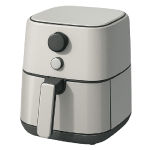
This overview page is your quick-start decision layer. Use it to prioritize what matters most, then open the dedicated best-of and comparison guides before purchase.
4 Key Factors When Buying an Air Fryer
1Heating Recovery & Consistency
Why it matters
The primary benefit of an air fryer is speed. If a unit has low wattage or poor insulation, the internal temperature drops drastically every time you open the basket to shake the food, resulting in baked—not fried—textures.
What to look for
- Wattage rating of at least 1500W for a 5-quart basket.
- Thick, double-walled basket construction for better heat retention.
- Review patterns mentioning ‘fast recovery’ or ‘crispy’ results even when the basket is 50% full.
Expert Take
Check the fan placement; units with the fan directly above the element circulate air more efficiently than those with side-mounted fans.
2Basket Coating Safety & Longevity
Why it matters
Most air fryers use PTFE or ceramic coatings for non-stick performance. Ceramic coatings are PTFE/PFAS-free, making them the preferred choice for health-conscious buyers wary of ‘forever chemicals,’ though they may not outlast quality PTFE coatings over the long term.
What to look for
- Ceramic-coated baskets for a chemical-free surface.
- Dishwasher-safe ratings, but prioritize hand-washing to extend the life of any coating.
- Availability of official replacement baskets from the manufacturer’s website.
Expert Take
Aerosol cooking sprays can leave a gummy residue that bakes onto coatings at high heat and causes peeling—use a pump-style oil mister to avoid this.
3Usable Capacity vs. Footprint
Why it matters
Countertop space is finite, but an undersized basket leads to overcrowding and soggy food. You generally need 1 to 1.5 quarts of capacity per person to cook effectively without stacking food.
What to look for
- A 2–3 quart model for individuals, or 5.5+ quarts for families of four.
- Square baskets, which offer more usable surface area than round ones for proteins like fish or steak.
- A maximum height of 16 inches to ensure it fits under standard kitchen cabinets.
Expert Take
Measure the ‘floor’ of the basket, not just the quart volume; a wider cooking surface is always more useful than a deeper, narrow basket.
4Interface and Precise Controls
Why it matters
Digital touchscreens look modern but can be frustrating to use with greasy fingers. Cheap membrane buttons often crack over time, while manual dials offer less precision but higher long-term durability.
What to look for
- Capacitive touchscreens (like a smartphone) rather than pressure-sensitive plastic buttons.
- A ‘Shake’ reminder alert, which is essential for achieving even browning on fries and vegetables.
- Independent time and temperature controls rather than just pre-set icons.
Expert Take
If the unit doesn’t have a dedicated ‘Dehydrate’ or ‘Reheat’ setting, ensure the manual temperature range goes as low as 120°F.
Key Decision Factors
| Factor | Price Impact | Importance | Deal Breaker |
|---|---|---|---|
| Heating Recovery & Consistency | $40-$70 more | Critical | Yes |
| Basket Coating Safety & Longevity | $30-$50 more | High | Yes |
| Usable Capacity vs. Footprint | $20-$40 more | High | No |
| Interface and Precise Controls | $15-$30 more | Medium | No |
Common Mistakes
- THIN PLASTIC HOUSING: If the outer shell feels flimsy or flexes when pressed, the unit will likely lose significant heat during operation, leading to uneven cooking.
- FIXED HEATING ELEMENTS: Avoid units where the element is completely inaccessible; if grease splatters and smokes, you must be able to safely wipe the area once cool.