
Blender Buying Guide 2026: 4 Things to Know Before You Buy
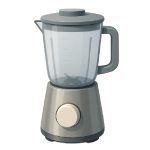
This overview page is your quick-start decision layer. Use it to prioritize what matters most, then open the dedicated best-of and comparison guides before purchase.
4 Key Factors When Buying a Blender
1Motor Power & Capacity Sizing
Why it matters
Wattage (750W–1800W) indicates power, but capacity determines the machine’s utility. A 32 oz jar is ideal for personal smoothies, while a 64 oz jar is the standard for families. Higher wattage allows larger batches to reach a silky consistency without overheating.
What to look for
- Thermal overload protection: An essential 2026 safety feature that auto-shuts the motor before it reaches burnout temperatures.
- 1200W+ for blenders intended to crush ice, pulverize seeds, or make smooth nut butters.
- High-torque motors that maintain speed even when the jar is full of thick ingredients.
Expert Take
Don’t be fooled by ‘Peak Horsepower’ marketing. Look for the continuous wattage rating to ensure the blender can sustain power for the full 60–90 seconds required for a perfect green smoothie.
2Jar Material & Safety Vents
Why it matters
Jar geometry creates the ‘vortex’ that pulls food into the blades. For safety, the jar must handle heat; blending hot liquids creates steam pressure that can eject a lid or shatter unvented containers.
What to look for
- BPA-Free Tritan Plastic: The industry standard for high-speed blenders because it is shatterproof and lightweight.
- Vented Lids: A center cap that can be removed or a lid with built-in steam vents to safely blend hot soups.
- Square or Tapered Designs: These are generally more efficient at preventing ‘dead zones’ where ingredients get stuck in the corners.
Expert Take
If you frequently blend thick mixtures like hummus or acai bowls, ensure the jar comes with a tamper. This tool lets you push food into the blades safely through the lid vent while the motor is running.
3Drive Socket & Blade Longevity
Why it matters
The drive socket (the gear on the base) and the blade assembly are the most common points of mechanical failure. Because blades eventually dull, a machine with a replaceable blade unit is a significantly better long-term investment.
What to look for
- Stainless steel drive couplings for metal-to-metal durability.
- Replaceable blade assemblies: Avoid jars where the blades are permanently welded in, as you’ll have to replace the entire $100 jar when the blades dull.
- Sealed ball bearings in the blade base to minimize friction and noise.
Expert Take
Periodically check the drive socket for rounded ‘teeth’ or melted plastic. Replacing a $15 socket early can prevent the uneven vibrations that eventually crack the motor’s drive shaft.
4Noise Suppression & Stability
Why it matters
High-performance blenders typically run at 85–92 dB, similar to the volume of a powerful vacuum cleaner. If you blend daily in a shared space, noise suppression features become a necessity rather than an optional luxury.
What to look for
- Vibration-dampening bases: Heavy rubber feet and gaskets that prevent the blender from ‘walking’ across the counter.
- Acoustic enclosures: Clear plastic shields that flip over the jar to trap sound (standard on premium ‘Quiet’ models).
- Soft-start motors: These ramp up speed gradually, avoiding the sudden, jarring roar of an instant-on motor.
Expert Take
If a sound shield model is out of your budget, place your blender on a silicone mat. This absorbs the structural vibrations that turn your kitchen countertop into a giant sounding board.
Key Decision Factors
| Factor | Price Impact | Importance | Deal Breaker |
|---|---|---|---|
| Motor Power & Capacity Sizing | $100-$250 more | Critical | Yes |
| Jar Material & Safety Vents | $30-$70 more | High | No |
| Drive Socket & Blade Longevity | $40-$80 more | High | Yes |
| Noise Suppression & Stability | $50-$150 more | Medium | No |
Common Mistakes
- PLASTIC DRIVE SOCKETS: If the gear connecting the motor to the jar is plastic, it is prone to stripping under heavy loads. Metal-to-metal couplings are the gold standard for durability.
- SEALED LIDS + HOT LIQUIDS: Never blend hot liquids in a completely sealed jar (like a 'bullet' blender). Pressure buildup can cause the jar to explode. Always use a vented lid or remove the center cap.