
AC vs DC Motor Ceiling Fans (2026): Efficiency, Control, and Installation Needs
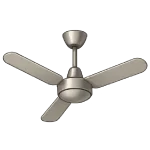
This comparison page helps resolve the biggest buyer fork in the road. Decide platform first, then compare specific models.
3 Key factors for AC vs DC Motor Ceiling Fans
1Wiring Compatibility and Speed Control
Why it matters
The electrical infrastructure of your home determines how difficult installation will be. AC fans use simple “switched-hot” wiring, while modern DC fans—especially smart versions—often require a neutral wire in the switch box to power their internal electronics and wireless receivers.
AC — Choose this if
- You want a simple installation that works with any existing two-wire ceiling box.
- You prefer controlling the fan with a standard 3-speed wall slider or a mechanical pull-chain.
- You are a landlord looking for a setup where the controls cannot be ‘lost’ like a remote.
- You want to avoid the ‘transformer hum’ that some lower-quality DC units can produce when converting power.
DC — Choose this if
- You want a remote-first experience with 6+ speed settings and integrated smart-home features.
- You are comfortable with (or your home has) modern wiring that includes a neutral wire for advanced wall controllers.
- You want the motor to start and stop smoothly without the ‘kick’ or click common in AC motors.
- You need to reverse the fan direction frequently but don’t want to climb a ladder to reach a manual switch.
2Airflow Performance and Seasonal Versatility
Why it matters
Motor type is only half the equation; blade pitch (angle) and span (size) determine the actual Cubic Feet per Minute (CFM) of airflow. However, DC motors provide higher torque, allowing for steeper blade pitches that move more air at lower, quieter speeds.
AC — Choose this if
- You are buying a standard 52-inch fan where a 12-degree blade pitch is sufficient for your cooling needs.
- You plan to use the fan only during summer peaks, making the 30–50% efficiency gap less impactful on your total bill.
- You want the traditional ‘heavy-duty’ feel of a motor that has enough mass to resist wind-driven wobbling.
DC — Choose this if
- You need a large-diameter fan (60”+) with a high blade pitch (14+ degrees) for a high-ceiling great room.
- You want a ‘Natural Breeze’ mode that subtly fluctuates fan speed to simulate outdoor wind.
- You are sensitive to sound; the lack of electrical ‘cogging’ makes DC motors nearly silent at low RPMs.
- You intend to use the fan year-round to circulate heat in winter, making the efficiency savings more meaningful.
3Durability, Location Rating, and Maintenance
Why it matters
Ceiling fans face two major failure points: capacitors in AC motors and Printed Circuit Boards (PCBs) in DC motors. Environmental factors like humidity require specific UL ratings (Damp or Wet) to prevent these components from failing prematurely.
AC — Choose this if
- You want a fan that can last 15–20+ years with basic maintenance (like replacing a $15 capacitor if speeds slow down).
- You are installing the fan in a standard indoor dry location like a bedroom or living room.
- You want a motor that can be easily diagnosed and repaired by any local electrician using universal components.
DC — Choose this if
- You are installing the fan in a bathroom or covered patio; high-end DC fans often feature better-sealed electronics for Damp/Wet ratings.
- You prioritize a ‘Lifetime Motor Warranty’—a feature common in premium DC brands like Big Ass Fans or Hunter’s high-end lines.
- You live in a coastal area; modern DC fans frequently use ABS plastic blades that won’t rust or ‘droop’ in salt air compared to heavy AC-driven metal or wood blades.
Key Decision Factors
| Factor | Price Impact | Importance | Deal Breaker |
|---|---|---|---|
| Wiring Compatibility and Speed Control | $50-$150 more | Critical | Yes |
| Airflow Performance and Seasonal Versatility | $10-$25/year savings | High | No |
| Durability, Location Rating, and Maintenance | $0-$100 more | Medium | No |
Common Mistakes
- THE DIMMER MISMATCH: Connecting a DC motor fan to a standard analog wall dimmer can permanently damage the internal transformer. DC fans must only be used with digital controllers or the included remote.
- INDOOR-ONLY MOTORS: Never install a standard 'Dry-Rated' fan on a porch; moisture will rust AC motor windings or short-circuit a DC fan's sensitive electronic controller within months.