Drip vs Single-Serve Coffee Makers (2026): Brewing Speed, Cost per Cup, and Longevity
Drip vs Single-Serve Coffee Makers
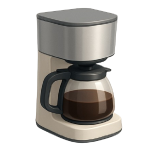
This comparison page helps resolve the biggest buyer fork in the road. Decide the type first, then compare specific models.
3 Key factors for Drip vs Single-Serve Coffee Makers
1Batch Capacity and Setup Convenience
Why it matters
The primary constraint is how much coffee you need at once and how much space you have. A drip machine is designed for volume and social settings, while single-serve is optimized for individual speed and specific reservoir capacities.
Drip — Choose this if
- You regularly serve 2+ people or drink multiple cups throughout the morning, requiring a full 10-12 cup carafe.
- You want the convenience of a ‘set-and-forget’ timer that has a full pot waiting when you wake up.
- You have the vertical clearance for a larger machine but prefer a system that keeps a large volume hot for hours.
Single-Serve — Choose this if
- You are the only coffee drinker in the house or have a very tight morning window (under 2 minutes per cup).
- You want a model with a reservoir size (ranging from 10 oz to 80 oz) that matches your specific daily refill tolerance.
- You want to switch between different roasts, decaf, or tea back-to-back without cleaning a pot.
2Cost per Cup and Compatibility Lock-in
Why it matters
This factor represents the largest difference in long-term ownership cost and choice. Pods trade financial value and brand freedom for ultimate ease of use.
Drip — Choose this if
- You want the lowest cost per cup (typically $0.15–$0.40) by buying ground or whole-bean coffee in bulk.
- You want total freedom to buy any brand of coffee from any roaster without worrying about pod compatibility.
- You enjoy dialing in your brew by manually adjusting the grind size and water ratio for a better flavor profile.
Single-Serve — Choose this if
- You prioritize a zero-mess cleanup—simply discarding a pod rather than washing a carafe and brew basket.
- You are willing to use reusable pods, which can lower your per-cup cost and environmental impact significantly.
- You understand the “lock-in” of proprietary systems like Nespresso, which may limit you to specific, more expensive capsule formats.
3Maintenance Burden and Machine Longevity
Why it matters
Maintenance needs and the total lifespan of the machine vary significantly. Single-serve machines are mechanically more complex and require more frequent intervention to prevent pump failure.
Drip — Choose this if
- You want a machine that only requires descaling every 3–6 months depending on water hardness.
- You prefer a ‘Buy It For Life’ approach; simple drip models are easier to clean and have fewer electronic failure points.
- You want to minimize plastic waste by using compostable paper filters or a permanent gold-tone mesh filter.
Single-Serve — Choose this if
- You are willing to perform monthly descaling (every 1–3 months) to prevent the internal pumps and needles from clogging.
- You don’t mind a shorter product lifecycle (3–5 years) in exchange for daily speed and convenience.
- You are prepared to clean the exit needle and K-cup holder regularly to prevent coffee ground buildup and “short-cup” errors.
Key Decision Factors
| Factor | Price Impact | Importance | Deal Breaker |
|---|---|---|---|
| Batch Capacity and Setup Convenience | $20-$60 more | Critical | Yes |
| Cost per Cup and Compatibility Lock-in | $400-$1,200 more per year | High | No |
| Maintenance Burden and Machine Longevity | $30-$100 more | Medium | No |
Common Mistakes
- THE POD PREMIUM: Branded pods often cost $0.70–$1.25 each. For two people drinking two cups daily, this costs $1,000–$1,800 annually, compared to ~$450–$650 for quality ground coffee.
- LIFESPAN GAP: Complex single-serve machines with internal pumps and needles typically fail within 3–5 years. Simple drip makers often last 7–10 years due to fewer moving parts.