
Built-in vs Portable Dishwashers 2026: Installation, Space, and Performance
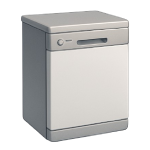
This comparison page helps resolve the biggest buyer fork in the road. Decide platform first, then compare specific models.
3 Key Factors for Built-in vs Portable Dishwashers
1Installation and Spatial Constraints
Why it matters
The layout of your kitchen dictates this choice immediately. A built-in unit is a permanent architectural change requiring cabinetry removal and plumbing tie-ins, whereas a portable unit is a rolling appliance that occupies floor space but requires zero renovation.
Built-in — Choose this if
- You have a standard 24-inch (or 18-inch) cavity in your cabinetry with existing plumbing.
- You want a seamless look that increases the resale value of your home.
- You prefer to keep your kitchen faucet free for other tasks while the dishwasher is running.
- You have a permanent 120V circuit and drain line already routed under the sink.
Portable — Choose this if
- You are a renter or live in a historic home where you cannot modify the cabinets.
- Your kitchen is too small for a permanent unit, but you have a corner to store a rolling appliance.
- You want an extra work surface; many portable models feature a wood or laminate top that doubles as a kitchen island.
- You want the ability to take the appliance with you when you move to a new home.
2Cleaning Performance and Capacity
Why it matters
Performance is often a trade-off for convenience. Built-in models are designed for high-volume daily use with multiple spray zones, while portables must balance cleaning power with the constraints of a temporary hose connection.
Built-in — Choose this if
- You have a large family and need a full 14-16 place setting capacity.
- You want specialized features like bottle jets, third-level racks, or high-heat sanitizing cycles.
- You prioritize drying performance; built-in models often use more effective heating elements or zeolite drying technology.
Portable — Choose this if
- You live in a 1-2 person household where a smaller 8-10 place setting capacity is sufficient.
- You don’t mind slightly longer cycle times, as portables may take longer to heat water internally.
- You need a simple solution that provides significantly better cleaning than hand-washing without the complexity of a remodel.
3Ownership Experience and Noise
Why it matters
The daily experience of using the machine—especially noise levels and the “chore” of setup—determines long-term satisfaction. A built-in is silent and invisible, while a portable is a physical presence you must interact with.
Built-in — Choose this if
- You have an open-concept living area and need a unit that runs at 44dB or lower to avoid noise pollution.
- You want a “load and forget” experience without the need to hook up hoses every evening.
- You are looking for a 10-12 year lifespan; these units are generally built with more robust mounting and vibration dampening.
Portable — Choose this if
- You don’t mind the 2-minute setup time of rolling the unit to the sink and attaching the “unicoupler” to the faucet.
- You are comfortable with a slightly louder operation (usually 50dB+), as they lack the sound insulation provided by cabinetry.
- You want an appliance that is easier to inspect for leaks, as all hose connections are visible during operation.
Key Decision Factors
| Factor | Price Impact | Importance | Deal Breaker |
|---|---|---|---|
| Installation and Spatial Constraints | $150-$500 more | Critical | Yes |
| Cleaning Performance and Capacity | $100-$300 more | High | No |
| Ownership Experience and Noise | $50-$200 more | Medium | No |
Common Mistakes
- FAUCET INCOMPATIBILITY: Portable dishwashers will not connect to many modern 'pull-out' or 'pull-down' spray faucets; you may need to replace your entire faucet to use one.
- CABINET CREEP: When measuring for a built-in, check for 'true' 24-inch depth; older kitchen cabinets are often slightly shallower, leaving the dishwasher protruding into the walkway.