
Dishwasher Buying Guide 2026: 4 Things to Know Before You Buy
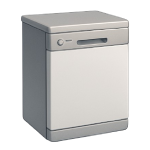
This overview page is your quick-start decision layer. Use it to prioritize what matters most, then open the dedicated best-of and comparison guides before purchase.
4 Key Factors When Buying a Dishwasher
1Drying Method
Why it matters
The drying method is the number one source of owner dissatisfaction. Cheaper models use an exposed heating element that can melt plastics and bake on food residue, while modern premium units use condensation or mineral-based drying that is safer and more effective.
What to look for
- Check for an “Auto-Open Door” feature that releases steam at the end of the cycle.
- Verify if the unit uses a closed-system condensation dry or a traditional heated rod.
- Look for “Zeolite” or “CrystalDry” branding for the highest performance on plastics.
Expert Take
If your dishes aren’t drying, ensure you are using a liquid rinse aid; modern dishwashers are designed to require it for surface tension reduction during the final heat phase.
2Tub Material (Stainless vs. Plastic)
Why it matters
The tub material dictates how long the machine will last and how loud it will be. Plastic tubs are cheaper but stain easily, retain odors, and cannot withstand the higher water temperatures required for the most efficient sanitization.
What to look for
- Open the door and feel the floor; if it’s grey plastic but the walls are metal, it’s a “hybrid” tub.
- Look for full 304-grade stainless steel for maximum heat retention.
Expert Take
Stainless steel tubs allow for higher-temperature final rinses, which actually speeds up the drying process by utilizing the “thermal mass” of the metal.
3Noise Rating (Decibels)
Why it matters
In modern open-concept homes, a loud dishwasher can ruin a living room experience. Every 3-decibel (dB) increase represents a doubling of sound intensity, so the gap between 50dB and 44dB is massive.
What to look for
- Aim for 44dB to 48dB for a quiet home.
- Anything over 50dB will be clearly audible in the next room.
- Ignore “Whisper” marketing terms; only trust the certified dB rating on the spec sheet.
Expert Take
The quietest dishwashers often lack a “hard food disposer” (grinder) because the motor is too loud, so expect to clean a manual filter every few weeks in exchange for silence.
4Filter Design
Why it matters
Older machines had grinders that chopped up food, but they were loud and prone to breaking. Most modern, reliable units use a manual mesh filter. If you hate cleaning a filter by hand, you may be tempted by a grinder, but you’ll sacrifice reliability.
What to look for
- Check how easily the cylindrical filter twists out of the bottom.
- Look for “Self-cleaning” vs “Manual clean” in the specs.
Expert Take
A manual filter only takes 30 seconds to rinse under a faucet; choosing this over a mechanical grinder significantly reduces the number of moving parts that can fail.
Key Decision Factors
| Factor | Price Impact | Importance | Deal Breaker |
|---|---|---|---|
| Drying Method | $150-$300 more | Critical | Yes |
| Tub Material (Stainless vs. Plastic) | $100-$200 more | High | Yes |
| Noise Rating (Decibels) | $50-$150 more | High | No |
| Filter Design | $0-$50 more | Medium | No |
Common Mistakes
- Visible Heating Elements: On entry-level models, these can melt Tupperware that falls through the rack; check for 'Condensation Dry' instead.
- Hybrid Tubs: Some brands use a stainless wall with a plastic floor; check the bottom of the unit to ensure it is fully stainless for better hygiene.