
Dryer Buying Guide 2026: 5 Things to Know Before You Buy
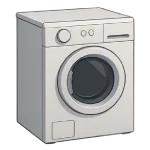
This overview page is your quick-start decision layer. Use it to prioritize what matters most, then open the dedicated best-of and comparison guides before purchase.
5 Key Factors When Buying a Dryer
1Drying Tech (Vented, Heat Pump, or Condenser)
Why it matters
Traditional vented dryers are fast and cheap but require a 4-inch exterior wall vent. Ventless options include Heat Pump models (most efficient, gentlest on clothes) and Condenser models (cheaper upfront than heat pumps but less efficient and can heat up the laundry room).
What to look for
- Vent Path: Measure your duct length; most manufacturers limit runs to 25–35 feet, with each 90-degree elbow reducing that limit by ~5 feet.
- Recycled Air: Heat pump models are closed-loop, meaning they don’t dump your home’s air-conditioned or heated air outside.
Expert Take
If you can’t vent to the outside, choose a heat pump over a standard condenser model. While a heat pump takes longer (60–120 mins), it uses up to 60% less energy and won’t turn your laundry room into a sauna.
2Fuel Source & Electrical Requirements
Why it matters
Fuel choice is usually dictated by your existing home infrastructure. Gas dryers require a 120V outlet and a gas line; electric dryers require a 240V heavy-duty outlet. However, some compact heat pump dryers can run on a standard 120V outlet, making them ideal for retrofits in older homes or apartments.
What to look for
- Plug Compatibility: 240V outlets come in 3-prong (older) or 4-prong (modern) configurations. Check your wall before buying.
- Electrical Load: Some electric tankless units or heat pump systems may require specific circuit amperages.
Expert Take
Don’t assume all electric dryers need 240V. If you’re in an older apartment, a 120V heat pump dryer can save you a $1,000+ electrical panel upgrade.
3Capacity & Stacking Compatibility
Why it matters
Capacity ensures your clothes actually dry. If the drum is packed too tight, air can’t circulate. Additionally, if you have limited floor space, verify stacking compatibility. Stacking requires a specific kit and often a matching washer from the same brand.
What to look for
- Drum Volume: Aim for at least 7.0 cu. ft. for a standard family.
- Reversible Doors: Helpful for tight closets where the door needs to swing left instead of right to accommodate the layout.
Expert Take
If stacking, always buy the brand-specific stacking kit at the time of purchase. Using universal kits or “makeshift” platforms can void your warranty and lead to dangerous vibrations.
4Sensor Dry Performance
Why it matters
Timed drying is a guess that often leads to over-drying, which wears out fabric fibers. Sensor Dry uses moisture-sensing strips to detect when laundry is done. Look for “Advanced” or “Dual” sensors that measure both temperature and moisture levels for higher accuracy.
What to look for
- Sensor Strips: Located inside the drum near the lint trap.
- Auto-Shutoff: Ensures the machine stops exactly when the moisture hits your desired level (Damp, Normal, or Extra Dry).
Expert Take
If you find your clothes are still damp on “Auto” cycles, it’s often not the sensor—it’s a clogged vent. Before blaming the machine, check your exterior vent flap for lint blockages.
5Sanitization & Maintenance Access
Why it matters
Maintenance and health features are often overlooked. NSF/ANSI Protocol P172 (or P154) certification ensures the sanitization cycle actually kills 99.9% of microorganisms. Furthermore, easy access to the secondary filters (found in ventless models) is critical for maintaining efficiency.
What to look for
- Secondary Lint Filter: On heat pump models, check how easy it is to reach the bottom condenser filter.
- Steam Hookup: “True steam” generators require a water line; “Steam-mist” models may use a manual water drawer.
Expert Take
Check for an “End-of-Cycle” signal or WiFi alerts. Because heat pump cycles are longer, a phone notification is the best way to ensure you don’t let clothes sit and wrinkle for hours.
Key Decision Factors
| Factor | Price Impact | Importance | Deal Breaker |
|---|---|---|---|
| Drying Tech (Vented, Heat Pump, or Condenser) | $200-$600 more | Critical | Yes |
| Fuel Source & Electrical Requirements | $50-$100 more | Critical | Yes |
| Capacity & Stacking Compatibility | $100-$300 more | High | Yes |
| Sensor Dry Performance | $50-$150 more | High | No |
| Sanitization & Maintenance Access | $100-$200 more | Medium | No |
Common Mistakes
- Mismatched Capacity: Ensure your dryer's capacity is at least 1.5 times the washer's capacity (e.g., pair a 4.5 cu. ft. washer with a 7.0+ cu. ft. dryer) to allow for proper airflow and tumble space.
- Plastic/Foil Venting: Never use white plastic or foil 'slinky' vents; these are fire hazards. Use rigid or semi-rigid metal ducting and ensure the total equivalent length (including bends) is within manufacturer limits.