
DC vs AC Motor Fans (2026): Efficiency, Noise, and Smart Integration
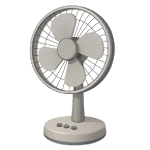
This comparison page helps resolve the biggest buyer fork in the road. Decide platform first, then compare specific models.
3 Key factors for DC vs AC Motor Fans
1Energy Efficiency and Control Integration
Why it matters
Efficiency and how you control the fan are the primary technical divides. DC fans are significantly more efficient, typically using 50–70% less energy than AC models at comparable speeds. However, DC motors require sophisticated electronic drivers, making them incompatible with traditional wall-mounted fan speed dials.
DC — Choose this if
- The fan will run for 8+ hours a day in a primary living space or bedroom.
- You want advanced features like “Nature Breeze” modes or the ability to reverse direction via remote.
- You are comfortable using a dedicated remote or a smartphone app for all adjustments.
AC — Choose this if
- You want to use an existing wall-mounted speed control or a standard fan dimmer.
- You prefer the simplicity of a ‘dumb’ appliance with no internal circuit boards that can fail.
- The fan is for a low-use area like a guest room where energy savings won’t offset the higher purchase price.
2Acoustic Performance (Hum vs. Silence)
Why it matters
Acoustics often make or break fan satisfaction. AC motors can develop a distinct 60Hz hum due to electromagnetic vibration from the supply current, especially on lower speeds. DC motors operate with a constant magnetic field and electronic commutation, resulting in virtually silent operation.
DC — Choose this if
- Silence is critical for sleeping, recording, or focused work.
- You want a fan that remains quiet even on its highest speed setting.
- You need a very low “whisper” speed for gentle air circulation without noise.
AC — Choose this if
- You find a slight motor hum or ‘white noise’ helpful for sleeping.
- The fan will be used in a noisy environment (garage, patio, or kitchen) where motor noise is a non-issue.
- You are purchasing a large industrial-style fan where the wind noise will be louder than any motor hum.
3Longevity and Maintenance
Why it matters
In 2026, the “smart” landscape has matured, but connectivity still varies. Many premium DC fans now support Matter-over-Thread for local, hub-free control. AC fans remain largely “analog” unless you add an external smart wall switch (which may not be compatible with all models).
DC — Choose this if
- You want seamless integration with Apple Home, Google Home, or Alexa via the latest Matter standards.
- You want a slimmer, lighter motor housing that allows for modern, minimalist fan designs.
- You value the safety features often built into DC drivers, such as automatic shut-off if the blades are obstructed.
AC — Choose this if
- You want a fan that will still work 20 years from now regardless of whether a specific app or Wi-Fi protocol exists.
- You prefer mechanical pull-chains as a fail-safe backup to electronic controls.
- You are looking for the most robust, ‘bulletproof’ motor design for a rental property or high-abuse environment.
Key Decision Factors
| Factor | Price Impact | Importance | Deal Breaker |
|---|---|---|---|
| Energy Efficiency and Control Integration | $50-$150 more upfront | High | Yes |
| Acoustic Performance (Hum vs. Silence) | Moderate | High | No |
| Longevity and Maintenance | $100-$300 more for premium DC | Medium | No |
Common Mistakes
- Dimmer Incompatibility: DC fans use internal AC-to-DC driver boards that will fail or buzz if connected to a standard AC wall dimmer; they must be wired to a standard on/off switch.
- App Dependency: Many smart DC fans rely on proprietary cloud servers; check for Matter or local API support to ensure the fan remains functional if the manufacturer's app is discontinued.