
Food Processor Buying Guide 2026: 4 Things to Know Before You Buy
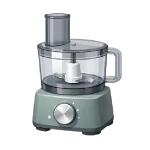
This overview page is your quick-start decision layer. Use it to prioritize what matters most, then open the dedicated best-of and comparison guides before purchase.
4 Key Factors When Buying a Food Processor
1Motor Torque and Stability
Why it matters
The motor and base stability determine if the machine can handle heavy tasks without stalling or ‘walking’ across the counter. Many top-rated models feature induction motors for quieter operation and longevity, ensuring they don’t overheat during demanding prep.
What to look for
- Total weight of the unit (heavier bases provide better anchoring).
- Continuous run-time ratings in the manufacturer specs.
- High-quality non-slip or suction feet on the underside of the base.
Expert Take
Don’t get distracted by high wattage numbers alone; a well-engineered motor with strong torque delivery will outperform a high-wattage, cheaply made motor that lacks consistent power.
2Bowl Seal and Capacity
Why it matters
A poorly sealed bowl will leak liquids directly into the motor base or out of the lid. If the capacity is too small, processing in multiple batches leads to uneven textures and significant frustration during meal prep.
What to look for
- Silicone gaskets around the lid rim and center spindle.
- Avoid models without a clearly marked max-fill line for liquids to prevent overfilling and potential motor damage.
- ‘BPA-free’ and dishwasher-safe labeling on the work bowl.
Expert Take
Check if the S-blade locks to the bottom of the bowl; this allows you to pour out processed food without the blade falling out and making a mess.
3Feed Tube Versatility
Why it matters
Feed tube size dictates how much manual knife work you have to do first. A narrow tube requires you to cut potatoes or cucumbers into small chunks, while a wide tube allows for whole or halved ingredients.
What to look for
- Wide-mouth designs (at least 3 inches across).
- Dual-pusher systems that allow for thin items like carrots to stay upright.
- Safety interlocks that feel sturdy and engage smoothly without force.
Expert Take
Measure your most common ingredients against the feed tube dimensions; saving 5 minutes of pre-chopping per meal is where the real value of a processor lies.
4Attachment Build Quality
Why it matters
Food processors live and die by their accessories. If the connection points between the motor and the slicing discs are made of brittle plastic, they will crack under the pressure of hard vegetables like carrots or beets.
What to look for
- Metal-reinforced drive shafts and disc hubs.
- Adjustable slicing discs (rather than multiple separate fixed-width discs).
- A dedicated storage case to keep blades sharp and safe from damage.
Expert Take
Prioritize dicing kits if you do heavy meal prep; they are the most difficult attachment to purchase separately later and offer the biggest boost in efficiency.
Key Decision Factors
| Factor | Price Impact | Importance | Deal Breaker |
|---|---|---|---|
| Motor Torque and Stability | $80-$150 more | High | No |
| Bowl Seal and Capacity | $30-$60 more | High | Yes |
| Feed Tube Versatility | $20-$40 more | High | No |
| Attachment Build Quality | $40-$100 more | Medium | No |
Common Mistakes
- Opaque Plastic Drive Hubs: Avoid blades with thin plastic hubs; look for reinforced nylon or metal-to-metal connections to prevent stripped gears under load.
- No non-slip feet or lightweight/unstable base: Units that shift or vibrate excessively during heavy use increase the risk of tipping or countertop damage.