
Gas vs Electric Furnaces (2026): Operating Costs, Infrastructure, and Regulatory Outlook
Gas vs Electric Furnaces
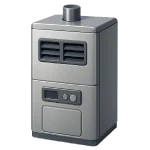
This comparison page helps resolve the biggest buyer fork in the road. Decide platform first, then compare specific models.
3 Key factors for Gas vs Electric Furnaces
1Infrastructure and Installation Complexity
Why it matters
The primary cost driver is the infrastructure required. Gas furnaces require a gas line, venting (flue), and a fresh air intake. Electric systems require high-amperage electrical service.
Gas — Choose this if
- You have existing natural gas service. Running a new line from the street typically costs $2,000–$10,000+ depending on distance and site conditions.
- You prefer the “hot” air feel of standard single-stage gas operation, which delivers supply air at 120°F–140°F.
- You want a system that can run on a small portable generator during power outages (since gas units use very little electricity for the blower).
Electric (Resistance/Heat Pump) — Choose this if
- You live in an area where local codes make gas installation difficult or require extensive energy modeling to prove compliance.
- You are upgrading your electrical panel to 200-amp service, which is often required to support the high amperage of electric heat.
- You want to utilize the $2,000 federal tax credit specifically available for high-efficiency air-source heat pumps.
2Operational Efficiency and Fuel Volatility
Why it matters
Operating costs vary by fuel type and climate. While natural gas is often the cheapest per BTU, propane-dependent homes face significantly higher costs that may make heat pumps more attractive.
Gas — Choose this if
- You have access to Natural Gas. Per EIA data, it remains the most cost-effective fuel for high-demand heating in the Midwest and Northeast.
- You choose a high-efficiency (96%+ AFUE) condensing model to minimize waste, though high-efficiency modulating units may deliver cooler supply air (90°F–110°F) during low-fire operation.
Electric (Resistance/Heat Pump) — Choose this if
- You choose a Heat Pump over a standard electric furnace. Modern cold-climate heat pumps are 2.5–4x more efficient than resistance heat, depending on outdoor temperatures.
- You currently heat with Propane or Oil, which are typically much more expensive than electricity when paired with a high-efficiency heat pump.
3Lifespan, Maintenance, and Safety
Why it matters
Maintenance and safety requirements differ based on the presence of combustion. 2026 regulations place a high priority on indoor air quality and safety verification.
Gas — Choose this if
- You are prepared for annual professional inspections of the heat exchanger to prevent CO leaks.
- You are compliant with state laws requiring hardwired, interconnected CO detectors near all sleeping areas.
- You live in a region where gas is the reliable ‘standard’ and technicians are plentiful.
Electric (Resistance/Heat Pump) — Choose this if
- You want a system with no on-site combustion, eliminating the risk of carbon monoxide within the home.
- You prefer a single system that provides both heating and cooling, reducing the number of appliances that require seasonal maintenance.
- You are following California’s Title 24 building standards or similar local CARB regulations that prioritize zero-emission heating.
Key Decision Factors
| Factor | Price Impact | Importance | Deal Breaker |
|---|---|---|---|
| Infrastructure and Installation Complexity | $2,000-$10,000+ more | Critical | Yes |
| Operational Efficiency and Fuel Volatility | $300-$1,200/year | High | No |
| Lifespan, Maintenance, and Safety | $100-$300/year | Medium | No |
Common Mistakes
- THE RESISTANCE TRAP: Electric resistance furnaces are 100% efficient at converting electricity to heat, but this is far less cost-effective than a heat pump, which can deliver 2–4 units of heat per unit of electricity consumed.
- MANDATORY CO PROTECTION: If choosing gas, Carbon Monoxide (CO) detectors are a mandatory legal requirement in 48 U.S. states. Operating a combustion appliance without hardwired, interconnected CO alarms is a significant safety and compliance violation.