
Humidifier Buying Guide 2026: 5 Things to Know Before You Buy
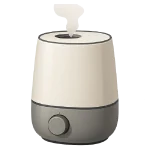
This overview page is your quick-start decision layer. Use it to prioritize what matters most, then open the dedicated best-of and comparison guides before purchase.
5 Key Factors When Buying a Humidifier
1Mist Technology (Ultrasonic, Evaporative, or Steam)
Why it matters
The technology dictates how water enters your air. Ultrasonic models are quiet but disperse minerals (white dust). Evaporative models use a fan and wick to trap minerals and are self-regulating. Steam/Warm Mist models boil water to release pure moisture, which kills bacteria but uses more energy and poses a burn risk.
What to look for
- Visible Mist: Only ultrasonic and steam models produce a visible plume; evaporative moisture is invisible.
- Filter Requirements: Evaporative models require wick filters, whereas steam and most ultrasonic models are filter-free or use optional demineralization cartridges.
Expert Take
If you have hard water and aren’t prepared to buy distilled water, an evaporative humidifier is the only choice that prevents coating your furniture in mineral dust without requiring specialized cartridges.
2Tank Capacity & Effective Runtime
Why it matters
Refilling a humidifier is the primary reason users abandon them. A 1-gallon tank typically lasts 12–24 hours at low output settings, but expect only 8–12 hours at the medium settings typical for bedroom use. If the tank is too small for your room, the unit will shut off mid-sleep, causing humidity levels to crash.
What to look for
- Top-Fill Design: Look for units that allow you to pour water directly into the top without removing or flipping the tank.
- Square Footage Rating: Check that the output (usually in gallons per day) matches your room’s dimensions.
Expert Take
Always calculate your runtime based on the ‘Medium’ setting. A ‘24-hour’ claim on the box is almost always based on the lowest possible output, which may be insufficient for very dry climates.
3Cleaning Access & Sanitization
Why it matters
Humidifiers are breeding grounds for biofilm and mold. To prevent ‘Humidifier Fever’ or respiratory issues, the EPA and CDC recommend cleaning units every 3 days during continuous use. If a model has deep crevices or narrow tank openings, you will not be able to sanitize it effectively.
What to look for
- Wide-Neck Tanks: Your hand should fit inside the tank to scrub the interior walls.
- Cleaning Agents: Use undiluted white vinegar or a 3% hydrogen peroxide solution for descaling and sanitizing.
Expert Take
Avoid ‘filterless’ ultrasonic models with integrated bases that cannot be separated. If you can’t get a brush into every corner where water sits, bacteria will eventually colonize the unit.
4Hygrostat Accuracy & Target Range
Why it matters
A hygrostat acts like a thermostat for moisture. Without one, the unit will run indefinitely, potentially pushing humidity past the safe 50% threshold. The EPA and ASHRAE recommend a target range of 30–50% RH for indoor comfort and to prevent mold growth and structural damage.
What to look for
- Auto-Shutoff: The unit must stop once the target humidity is reached.
- Digital Display: A built-in readout allows you to monitor the room’s current moisture level in real-time.
Expert Take
Most built-in hygrostats are inaccurate because they are too close to the source of moisture. Use the on-board sensor for rough control, but verify the room’s actual level with a standalone hygrometer placed 5–10 feet away.
5Noise Levels (Decibels)
Why it matters
Since humidifiers are primarily used during sleep, noise is a critical variable. Ultrasonic units are the quietest, typically ranging from 25–38 dB. Evaporative units use fans that produce a ‘white noise’ effect, which some find soothing, while others find the mechanical whirring or water ‘glugging’ sounds disruptive.
What to look for
- Sleep Mode: Many digital units offer a mode that dims the lights and locks the fan to its lowest, quietest speed.
- Baffled Water Path: Some premium models use internal baffles to prevent loud air bubbles from rising in the tank.
Expert Take
If you are a light sleeper, avoid evaporative models entirely. Even the quietest fans in those units generate more ambient noise than a basic ultrasonic model on its highest setting.
Key Decision Factors
| Factor | Price Impact | Importance | Deal Breaker |
|---|---|---|---|
| Mist Technology (Ultrasonic, Evaporative, or Steam) | $20-$80 more | Critical | Yes |
| Tank Capacity & Effective Runtime | $30-$70 more | High | Yes |
| Cleaning Access & Sanitization | $40-$100 more | High | No |
| Hygrostat Accuracy & Target Range | $15-$40 more | Medium | No |
| Noise Levels (Decibels) | $20-$50 more | Medium | No |
Common Mistakes
- Exposed Heating Elements: Avoid warm-mist or steam models in households with children or pets; these units boil water internally and pose a significant burn hazard if tipped or touched during operation.
- Ultrasonic with Hard Water: If you have hard tap water, avoid ultrasonic models unless you use distilled water; aerosolized minerals may be inhaled and cause respiratory irritation, particularly for those with asthma.