
Ultrasonic vs Evaporative Humidifiers (2026): Air Quality, Maintenance, and Noise
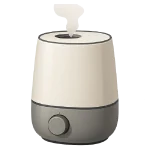
This comparison page helps resolve the biggest buyer fork in the road. Decide platform first, then compare specific models.
3 Key factors for Ultrasonic vs Evaporative Humidifiers
1Air Hygiene and 'White Dust' Prevention
Why it matters
This is a health-first decision based on particulate emission. Ultrasonic units use vibrations to create a mist of actual water droplets, carrying everything in that water into your air. Evaporative units turn water into a gas (vapor) via a wick, leaving minerals and contaminants behind in the filter.
Ultrasonic — Choose this if
- You have a Reverse Osmosis (RO) system or are willing to use distilled water/demineralization cartridges to prevent mineral dust.
- You want a unit that produces visible mist immediately upon turning it on.
- You are strictly looking for a “Cool Mist” experience and do not want to consider a “Warm Mist” steamer (which boils water to kill bacteria but uses more energy).
Evaporative — Choose this if
- You have hard tap water and want to avoid the “white dust” that coats electronics and irritates lungs.
- You want the added security of a wick filter that traps minerals and larger microbes before they reach the air.
- You prefer a lower-mineral output approach for a household with sensitive respiratory systems and want filtration to reduce white dust.
2Noise Levels and Sleep Suitability
Why it matters
The acoustic profile determines where the unit belongs. Ultrasonic units typically operate at very low noise levels (often 25–38dB), while evaporative units rely on a fan that produces a steady mechanical hum or white noise.
Ultrasonic — Choose this if
- You are an extremely light sleeper who needs a virtually silent environment.
- The unit is for a nursery where you want the quietest possible operation.
- You prefer a sleek, fan-less design for a shared office or small living space.
Evaporative — Choose this if
- You enjoy the sound of a steady fan to help drown out background noise while sleeping.
- The unit will be in a large living room where a fan is necessary to push humidity across a wider area.
- You find the gurgling or dripping sounds of some ultrasonic models more annoying than a consistent fan hum.
3Operating Costs and Maintenance
Why it matters
Humidifier burnout usually happens because of maintenance. You have to trade off between deep-cleaning the unit every 2–3 days (ultrasonic) or managing a filter subscription (evaporative).
Ultrasonic — Choose this if
- You are disciplined enough to empty, rinse, and scrub the tank every 48–72 hours to prevent microbial growth.
- You want a unit that is generally smaller and easier to carry to a sink for cleaning.
- You prefer the option of using demineralization cartridges to mitigate hard water issues without buying distilled water.
Evaporative — Choose this if
- You prefer “filter-based” maintenance where you simply swap a dirty wick every 1–3 months.
- You want a unit with antimicrobial treatments or UV-C lights, which are more common in premium evaporative models.
- You want a “set-and-forget” feel where the filter does the heavy lifting of trapping tap water impurities for you.
Key Decision Factors
| Factor | Price Impact | Importance | Deal Breaker |
|---|---|---|---|
| Air Hygiene and 'White Dust' Prevention | $0-$120 (cartridges/distilled water) | Critical | Yes |
| Noise Levels and Sleep Suitability | $20-$50 more | High | No |
| Operating Costs and Maintenance | $30-$80 annually | Medium | No |
Common Mistakes
- EPA/CDC Hygiene Warning: Ultrasonic and impeller humidifiers can disperse airborne bacteria and mold spores if not cleaned properly, posing a respiratory risk to children, the elderly, or those with asthma.
- The 'White Dust' Problem: Using tap water in an ultrasonic unit creates fine mineral particulate (white dust) that irritates the lungs; if you cannot use distilled water or demineralization cartridges, this technology is not recommended.