
Iron Buying Guide 2026: 4 Things to Know Before You Buy
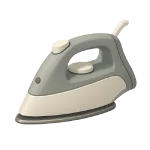
This overview page is your quick-start decision layer. Use it to prioritize what matters most, then open the dedicated best-of and comparison guides before purchase.
4 Key Factors When Buying an Iron
1Steam Output and Safety
Why it matters
Steam is the primary force that relaxes fabric fibers. Without sufficient continuous output, you are forced to rely on high heat and physical pressure, which increases the risk of scorching delicate items and significantly extends your ironing time.
What to look for
- Continuous steam rate of 30g/min or higher for standard irons; 40g/min+ for tougher fabrics.
- Steam shot/burst rating of 150g+ for better handling of stubborn creases.
- Auto-shutoff safety (e.g., 30 seconds if face-down, longer if upright) as a key protection.
Expert Take
Higher bursts (180g+) provide a noticeable performance boost on heavy denim or linen, allowing the steam to penetrate multiple layers of fabric at once.
2Soleplate Material and Glide
Why it matters
The soleplate determines how much ‘drag’ you feel. A poor-quality surface will snag on fibers or leave a shiny residue on synthetics, while a high-quality glide makes the iron feel much lighter than its actual weight.
What to look for
- Stainless steel for excellent glide, durability, and easy cleaning across most fabrics.
- Ceramic-coated for good non-stick properties and scorch resistance on synthetics.
- A high density of steam holes distributed toward the tip for precision work.
Expert Take
Stainless steel is the industry standard for durability; if you frequently iron clothes with metal zippers or buttons, it is far less likely to scratch than ceramic coatings.
3Anti-Calc and Maintenance Systems
Why it matters
Limescale buildup is the primary cause of iron failure. Over time, minerals clog the steam vents, leading to ‘spitting’ and reduced heat efficiency. Effective maintenance systems ensure the iron lasts years rather than months.
What to look for
- Integrated scale collectors or ‘Anti-Calc’ drawers that can be easily rinsed.
- Self-cleaning cycles that use a high-pressure steam blast to flush the internal chamber.
- Auto-shutoff feature to prevent fire risks if the unit is left unattended in a vertical or horizontal position.
Expert Take
If you have hard water, prioritize a model with a physical collector drawer rather than just a ‘clean’ button; they are significantly more effective at trapping large mineral flakes.
4Water Tank and Cord Design
Why it matters
Ergonomics and capacity determine how many times you have to stop. A small tank or a short, stiff cord turns a quick chore into a frustrating series of interruptions and awkward maneuvers around the ironing board.
What to look for
- Tank capacity of 10oz (300ml) or more to minimize refills; 12oz+ is better for extended sessions.
- 360-degree swivel cord with a minimum length of 8 to 10 feet.
- Transparent water window so you can monitor levels without guessing.
Expert Take
Check for a ‘large fill hole’; it sounds minor, but being able to refill quickly at a standard tap without a funnel significantly improves the user experience.
Key Decision Factors
| Factor | Price Impact | Importance | Deal Breaker |
|---|---|---|---|
| Steam Output and Safety | $30-$80 more | Critical | Yes |
| Soleplate Material and Glide | $20-$50 more | High | Yes |
| Anti-Calc and Maintenance Systems | $15-$40 more | High | Yes |
| Water Tank and Cord Design | $10-$30 more | Medium | No |
Common Mistakes
- No auto-shutoff feature: Avoid irons without this safety mechanism, as they pose a significantly higher risk of fire if accidentally left on.
- Fixed Power Cords: Avoid models without a 360-degree swivel cord; fixed cords kink easily, leading to internal wire breakage and a shorter lifespan.