
Steam Iron vs Steam Generator Irons (2026): Pressure, Speed, and Storage
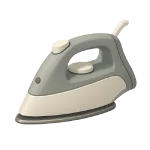
This comparison page helps resolve the biggest buyer fork in the road. Decide platform first, then compare specific models.
3 Key factors for Steam Iron vs Steam Generator Irons
1Steam Output and Fabric Penetration
Why it matters
The fundamental difference lies in how steam is created and delivered. A standard steam iron uses gravity to drip water onto a hot soleplate, while a steam generator uses a separate boiler to blast high-pressure steam (measured in bars) deep into fabric fibers. This significantly improves efficiency on heavy fabrics and can reduce or eliminate the need to flip lighter garments.
Steam Iron — Choose this if
- You primarily iron a few items at a time or do quick touch-ups before work.
- You prefer a unit that typically heats up faster than a complex steam generator.
- You work with delicate fabrics that don’t require high-pressure moisture.
- You want a portable, all-in-one tool for travel or small apartments.
Steam Generator — Choose this if
- You have large weekly laundry piles and want to finish your batch faster.
- You iron thick fabrics like denim, linen, or multi-layered bedding.
- You require 5–8 bars of pressure to remove stubborn creases in a single pass.
- You frequently use vertical steaming for hanging curtains or suits.
2Form Factor and Ergonomics
Why it matters
The physical footprint and weight of the iron in your hand differ significantly between these platforms. While the generator base is bulky, the iron handle itself is often lighter because the water is stored in the base station rather than the handset, reducing user fatigue during long sessions.
Steam Iron — Choose this if
- You have very limited storage space and need the iron to fit on a standard shelf.
- You use a lightweight or tabletop ironing board that cannot support a 10 lb base.
- You prefer the weight of the water to be in the iron for better pressing leverage.
- You want the simplest possible setup with no thick connecting hoses.
Steam Generator — Choose this if
- You suffer from wrist strain; the handset is much lighter since the tank is separate.
- You have a dedicated laundry room or a heavy-duty ironing station.
- You want a massive 1.5L–2L water tank so you don’t have to refill every 15 minutes.
- You don’t mind the 2–3 minute wait for a larger boiler to reach full pressure.
3Maintenance, Water Type, and Reliability
Why it matters
Long-term ownership is driven by mineral management. Scale buildup is the primary cause of pump failure and “spitting” on clothes. The safest rule is to follow the manufacturer’s water guidance exactly, because some anti-calc systems are designed for tap water while others perform better with lower-mineral water.
Steam Iron — Choose this if
- You live in a soft-water area where mineral buildup is a minimal concern.
- You want a low-maintenance device that only requires occasional soleplate cleaning.
- You prefer a lower-cost appliance that is cheaper to replace than to repair.
Steam Generator — Choose this if
- You are disciplined about using descaling cartridges or flushing the boiler per the manual.
- You live in a hard-water area and want a system with a dedicated scale-collection rod.
- You are willing to follow the brand’s water and descaling requirements closely to protect the pump and boiler system.
Key Decision Factors
| Factor | Price Impact | Importance | Deal Breaker |
|---|---|---|---|
| Steam Output and Fabric Penetration | $80-$200 more | Critical | Yes |
| Form Factor and Ergonomics | $0-$50 more | High | No |
| Maintenance, Water Type, and Reliability | $20-$60 more | Medium | No |
Common Mistakes
- BOARD COMPATIBILITY: Do not buy a steam generator if you use a standard lightweight board; the 10–15 lb base and high steam volume can cause boards to collapse or drip condensation.
- SCALDING RISK: High-pressure steam generators (5–8 bar) discharge steam with significantly more force than standard irons; never use vertical steam near skin or while clothing is being worn.


