
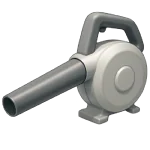
If you are dealing with a leaf blower that won’t start or run correctly, the problem is usually rooted in fuel delivery or air restriction. Because these engines sit for long periods, they are highly prone to chemical gumming. This guide ranks causes from most common to less common to get you back to yard work in 2026.
4 Common Causes for Leaf Blower Not Working
1Stale Fuel or Clogged Fuel Filter
By far the most common reason for a leaf blower failing to start is stale fuel. In 2026, standard pump gas contains ethanol, which absorbs water and turns into a varnish-like substance that blocks the tiny passages in the fuel system and clogs the fuel filter.
Symptoms
- The engine won’t start despite repeated pulls.
- The engine “sputters” but fails to maintain a run.
Care Plan
- Drain all old fuel from the tank into an approved container for proper disposal.
- Use a wire hook to pull the fuel filter out of the tank and inspect it for discoloration or slime.
- Replace the fuel filter if it appears dark or clogged.
- Fill the tank with fresh, ethanol-free gasoline mixed with high-quality 2-cycle oil at the manufacturer’s specified ratio (typically 50:1 for most modern units — always verify in your owner’s manual).
- Press the primer bulb 5-10 times to circulate the fresh fuel through the system.
Common Mistakes
- Adding “fresh” gas on top of old, stale gas, which does not fix the chemical imbalance.
- Forgetting to mix oil into the gasoline for 2-cycle engines, which causes the engine to seize almost instantly.
2Fouled Spark Plug
The spark plug provides the electrical arc needed to ignite the fuel. If the engine is run with an incorrect oil mix or at low speeds for too long, carbon deposits or “wet fouling” from excess fuel can prevent the plug from firing.
Symptoms
- The engine makes a “popping” sound but doesn’t start.
- The starter rope feels fine, but there is no sign of combustion.
Care Plan
- Remove the spark plug wire and use a spark plug wrench to unscrew the plug.
- Inspect the electrode; it should be a light tan or gray color. If it is black and oily, it is fouled.
- Replace the plug with a new one gapped to the manufacturer’s specification (typically found on the engine label or owner’s manual); cleaning a fouled plug with a wire brush is not recommended as bristles can cause misfires.
- With the plug removed, pull the starter rope a few times to clear any excess fuel from the combustion chamber.
- Reinstall the plug, reattach the wire, and attempt to start the unit.
Common Mistakes
- Over-tightening the spark plug, which can strip the threads in the aluminum engine block.
- Using the wrong spark plug heat range, which can lead to poor performance or engine damage.
3Clogged Spark Arrestor Screen
The spark arrestor is a small wire screen located inside or over the muffler hole. Its job is to prevent hot embers from exiting the engine and starting fires. Over time, carbon and unburnt oil can “carbon up” this screen, effectively choking the engine by preventing exhaust from escaping.
Symptoms
- The engine starts easily but has no power and “bogs” down under load.
- The engine will only run with the choke partially closed.
Care Plan
- Locate the muffler on your blower and identify the spark arrestor screen (usually held by a single screw or plate).
- Remove the screen and hold it up to the light; if you can’t see through the mesh, it is clogged.
- Ensure the muffler is completely cool and the screen is fully removed before applying a handheld torch flame to carefully burn off the carbon.
- If the screen is torn or cannot be cleaned, replace it with a new one.
- Reinstall the screen once cool and ensure the exhaust path is clear of any other debris.
Common Mistakes
- Removing the spark arrestor screen permanently, which is a fire hazard and often illegal in many jurisdictions.
- Mistaking a clogged exhaust for a “blown” engine because it won’t rev up.
4Dirty or Gummed-up Carburetor
If the fuel was left in the unit for an entire off-season, the carburetor’s internal diaphragms and jets are likely gummed up. The carburetor is responsible for mixing the perfect ratio of air and fuel; even a microscopic blockage will prevent the engine from running correctly.
Symptoms
- The engine only starts if fuel is poured directly into the air intake.
- Fuel is leaking out of the air filter housing.
Care Plan
- Remove the air filter cover and inspect the filter; replace if it is soaked in oil or dirt.
- Use a dedicated carburetor cleaner spray to clear the throat and external linkages.
- If the engine still won’t run, you may need to disassemble the carburetor to replace the internal rubber diaphragms (carb kit).
- For many 2026 models, it is often more cost-effective to replace the entire carburetor with a new OEM unit rather than rebuilding it.
- Ensure the mounting bolts are tight to prevent “air leaks” that cause the engine to run lean.
Common Mistakes
- Using a wire or paperclip to clean carburetor jets, which can enlarge the holes and ruin the fuel-air mix.
- Neglecting to check the fuel lines for cracks or “mushiness” while the carburetor is removed.