
Gas vs Electric Ovens 2026: Installation, Performance, and Ownership Cost
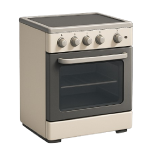
This comparison page helps resolve the biggest buyer fork in the road. Decide platform first, then compare specific models.
3 Key Factors for Gas vs Electric Ovens
1Installation and Utility Compatibility
Why it matters
The physical infrastructure of your kitchen is the most significant constraint. Most homes are wired or plumbed for one specific fuel type, and changing this requires hiring licensed professionals for high-voltage electrical work or gas line extensions.
Gas — Choose this if
- Your kitchen already has an active gas line and a standard 120V grounded outlet.
- You live in an area where natural gas is significantly cheaper than electricity.
- You want the oven to remain functional for stovetop cooking during a power outage.
- You prefer the “moist” heat environment gas provides, which can prevent meats from drying out during long roasts.
Electric — Choose this if
- You have a dedicated 240V/50-amp circuit available in the oven alcove.
- You are looking for the simplest “plug-and-play” installation without the risk of gas leaks.
- You are prioritizing a modern “slide-in” look, as electric models often have more flexible depth requirements.
- Your home is powered by solar or you are moving toward a fully electrified home for environmental reasons.
2Cooking Performance and Heat Control
Why it matters
The two platforms distribute heat differently. Electric ovens use coils that cycle on and off to maintain a precise temperature, while gas ovens use a burner that creates a different airflow pattern and moisture level within the cavity.
Gas — Choose this if
- You prioritize a fast preheat time for the broiler, as gas infrared broilers often reach peak temperature quicker.
- You frequently roast large proteins and prefer the slightly higher humidity produced by gas combustion.
- You want a cooktop (if buying a range) that offers immediate visual control of the flame.
Electric — Choose this if
- You do a lot of precise baking (cookies, cakes, pastries) where even heat distribution and dry air are vital for “browning.”
- You want the most consistent internal temperatures; electric elements generally have narrower temperature swings than gas burners.
- You want access to advanced features like “True Convection” or “Hidden Bake Elements,” which are more common and effective in electric platforms.
3Running Cost and Longevity
Why it matters
Beyond the purchase price, you must consider the 10-15 year lifespan of the appliance. This includes the monthly utility bill and the likelihood of needing a technician for specialized repairs.
Gas — Choose this if
- You want an appliance with a historically longer lifespan due to fewer sensitive electronic components.
- You have access to low-cost natural gas, which typically results in lower monthly operating costs over the life of the unit.
- You prefer a system where the most common failure point (the igniter) is a relatively straightforward part to source.
Electric — Choose this if
- You want a surface that is significantly easier to clean, especially if choosing a smooth-top radiant electric range.
- You want to avoid the “hidden cost” of high-CFM ventilation systems required to manage gas combustion byproducts.
- You prefer an appliance that is easier to troubleshoot, as electric circuits are often more standard for general appliance repair technicians.
Key Decision Factors
| Factor | Price Impact | Importance | Deal Breaker |
|---|---|---|---|
| Installation and Utility Compatibility | $200-$800 more | Critical | Yes |
| Cooking Performance and Heat Control | $0-$300 more | High | No |
| Running Cost and Longevity | $50-$150 more | Medium | No |
Common Mistakes
- UNEXPECTED VOLTAGE GAP: If switching to electric, ensure your panel has space for a 50-amp double-pole breaker; many older homes lack the total service capacity.
- VENTILATION MISMATCH: High-BTU gas ovens generate significantly more moisture and combustion byproducts, often requiring a higher CFM range hood than standard electric models.