
Brushless vs Brushed Power Tools (2026): Performance, Runtime, and Durability
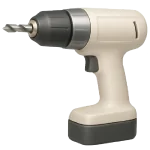
This comparison page helps resolve the biggest buyer fork in the road. Decide platform first, then compare specific models.
3 Key factors for Brushless vs Brushed Power Tools
1Motor Efficiency and Performance
Why it matters
Efficiency determines how much of your battery’s energy actually goes into the screw or the blade. Brushed motors lose energy to heat and friction, while brushless motors are digitally controlled to deliver precise torque, running significantly cooler and more powerfully under high load.
Brushed — Choose this if
- You use your tools in short bursts for light tasks where raw power isn’t the priority.
- You are on a strict budget and want the lowest entry price for a functional kit.
- You prefer simpler, analog electronics that are less sensitive to the electrical interference of certain job site generators.
Brushless — Choose this if
- You need maximum torque for heavy-duty tasks like driving 3-inch lag bolts or drilling through masonry.
- You want a tool that ‘thinks’; brushless motors adjust their power draw based on resistance, providing only the energy needed for the specific task.
- You are a professional whose productivity is measured by how quickly you can finish a job without the tool stalling or overheating.
2Battery Runtime and Form Factor
Why it matters
Because they are more efficient, brushless tools provide meaningfully more runtime on the same battery charge than brushed equivalents. Furthermore, because they lack the bulky carbon brush assembly, brushless tools are typically shorter by an inch or more in the tool head, making them much easier to use in cramped spaces.
Brushed — Choose this if
- You already have multiple batteries and don’t mind swapping them out more frequently.
- You primarily work in open spaces where the slightly longer tool body doesn’t cause clearance issues.
- You are looking for corded tools; the benefits of brushless are much less significant when you have an infinite power supply from a wall outlet.
Brushless — Choose this if
- You want to use smaller, lighter batteries (e.g., 2.0Ah) without sacrificing the work capacity of a larger, heavier pack.
- You frequently work in tight spots like cabinetry, plumbing under sinks, or automotive engine bays.
- You want a tool that is better balanced; moving the motor weight closer to the handle—possible with compact brushless designs—reduces wrist fatigue.
3Maintenance and Lifespan
Why it matters
Maintenance and lifespan are where the ‘frictionless’ nature of brushless tech pays off. Brushed motors have physical parts (carbon brushes) that rub against a spinning commutator, creating wear, heat, and eventual failure, whereas brushless motors are limited primarily by the life of their internal electronics and bearings.
Brushed — Choose this if
- You are comfortable with ‘old-school’ DIY repairs and don’t mind spending 15 minutes periodically replacing motor brushes.
- Your tools will sit in a garage for months at a time; simple brushed motors are highly robust against storage-related electronic degradation.
- You want a tool with a proven, decades-old design where mechanical parts are widely available and inexpensive.
Brushless — Choose this if
- You want a ‘set-it-and-forget-it’ tool that requires zero internal motor maintenance over its entire lifespan.
- You value safety in dusty environments; brushless motors do not produce the open internal sparking common in brushed designs (note: neither type is rated for certified hazardous locations like ATEX/NEC Class I/II without explicit specialty certification).
- You want the highest possible resale value; brushless tools have become the industry standard and hold their price better on the used market.
Key Decision Factors
| Factor | Price Impact | Importance | Deal Breaker |
|---|---|---|---|
| Motor Efficiency and Performance | $50-$150 more | Critical | Yes |
| Battery Runtime and Form Factor | $30-$80 more | High | No |
| Maintenance and Lifespan | $0-$40 more | Medium | No |
Common Mistakes
- SPARKING VENTILATION: If you see heavy sparking through the side vents of a brushed tool, the carbon brushes are likely worn—replace them immediately to avoid damaging the motor's commutator.
- GHOST POWER DRAW: Beware of extremely cheap brushless tools with low-quality control boards; they can drain batteries even when the tool is not in use if the electronics are poorly designed.