
Gas vs Electric Pressure Washers (2026): Cleaning Units, Mobility, and Maintenance
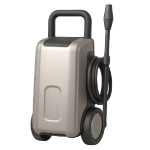
This comparison page helps resolve the biggest buyer fork in the road. Decide platform first, then compare specific models.
3 Key factors for Gas vs Electric Pressure Washers
1Cleaning Power and Water Temperature
Why it matters
Cleaning power is the combination of pressure (PSI) and water flow (GPM). This determines the “Cleaning Units.” Furthermore, only high-end gas units typically offer the ability to heat water, which is essential for dissolving grease and oil that cold water cannot budge.
Gas — Choose this if
- You need high performance (2800 to 4000 PSI) for heavy-duty tasks like stripping paint or deep-cleaning concrete.
- You want higher GPM (Gallons Per Minute) to rinse away large volumes of debris significantly faster than electric models.
- You require a hot-water model to tackle automotive grease, oil spills, or industrial-scale sanitization.
Electric — Choose this if
- Your primary tasks are light-to-medium duty, such as washing windows, composite decking, or patio furniture.
- You prefer a quiet machine that produces zero emissions, allowing for use in garages or near open windows.
- You are comfortable with cold-water cleaning for standard residential dirt and mildew.
2Mobility and Electrical Safety Constraints
Why it matters
The physical environment dictates which platform is viable. Electric units require specific safety infrastructure (GFCI), while gas units offer total freedom of movement but carry higher weight and exhaust risks.
Gas — Choose this if
- You need to clean far from the house, such as remote fences, sheds, or large rural driveways where outlets are unavailable.
- You want to avoid managing power cords in wet environments, though you must still manage a high-pressure water hose.
- You can manage a machine weighing 50–75 lbs, which is the standard weight for residential gas models.
Electric — Choose this if
- You have accessible, code-required GFCI (Ground Fault Circuit Interrupter) outlets near all your typical cleaning zones for safety.
- You have limited storage space and need a lightweight unit (often under 30 lbs) that can be easily carried or hung on a wall.
- You want the convenience of a “start/stop” motor that only runs when the trigger is pulled, reducing noise pollution.
3Maintenance and Ownership Experience
Why it matters
Ownership costs extend beyond the purchase price. One platform requires seasonal mechanical maintenance to survive, while the other is largely “plug-and-play” but has a shorter total machine lifespan.
Gas — Choose this if
- You are comfortable performing basic engine maintenance, including oil changes and spark plug replacements.
- You want a machine with a replaceable pump and engine components, allowing the unit to last 10+ years with proper care.
- You are diligent about using fuel stabilizers and “Pump Guard” antifreeze/lubricant before storing the unit for winter.
Electric — Choose this if
- You want a maintenance-free experience with no oil to change or carburetors to clean.
- You prefer the lowest possible operating cost, as electricity is cheaper than gasoline and seasonal tune-up kits.
- You use the machine infrequently and don’t want to worry about engine “varnish” or starting issues after months of inactivity.
Key Decision Factors
| Factor | Price Impact | Importance | Deal Breaker |
|---|---|---|---|
| Cleaning Power and Water Temperature | $150-$400 more | Critical | Yes |
| Mobility and Electrical Safety Constraints | $50-$100 more | High | No |
| Maintenance and Ownership Experience | $40-$80 more per year | Medium | No |
Common Mistakes
- EXTENSION CORD RISK: Never use standard extension cords with electric pressure washers; the voltage drop can permanently burn out the motor. Only use the manufacturer-provided power cord.
- PUMP NEGLECT: Gas units stored without pump guard or fuel stabilizer face significantly higher failure rates due to internal corrosion and gummed carburetors during the off-season.