
Single-zone vs Multi-zone Smart Thermostats (2026): Comfort, Infrastructure, and Savings
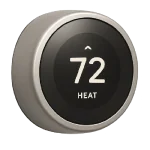
This comparison page helps resolve the biggest buyer fork in the road. Decide platform first, then compare specific models.
3 Key factors for Single-zone vs Multi-zone Smart Thermostats
1Infrastructure, Installation, and HVAC Compatibility
Why it matters
This is the first constraint because it involves your home’s physical architecture. A single-zone system treats your home as one large room, while a multi-zone system requires either software (sensors) or mechanical hardware (dampers) to differentiate spaces.
Single-zone — Choose this if
- You live in a single-story home or apartment where the temperature remains consistent from room to room.
- Your current HVAC system is a standard single-stage 24V setup with no existing zone board or duct dampers.
- You want a simple DIY installation that doesn’t involve opening ductwork or installing bypass dampers for pressure relief.
- You prefer a lower upfront cost and have no need for complex, room-specific schedules.
Multi-zone — Choose this if
- You have a multi-story home or large floor plan where the sun-facing side is significantly hotter than the rest of the house.
- You have a modern HVAC system (ideally variable-speed) capable of handling the air pressure changes caused by closing motorized dampers.
- You are prepared for a professional installation involving a zone control panel and dedicated thermostat wiring for each area.
- You require independent climate control for a sensitive space, such as a nursery or a server room.
2Thermal Comfort and Independent Room Control
Why it matters
Thermal comfort is the primary performance tradeoff. Single-zone systems prioritize the temperature at the thermostat’s wall location, whereas multi-zone systems attempt to resolve ‘hot and cold spots’ by taking readings from across the home.
Single-zone — Choose this if
- You are satisfied with a ‘set it and forget it’ whole-house temperature.
- You use manual solutions, like adjusting floor registers or ceiling fans, to balance airflow during seasonal changes.
- You want a thermostat that is compatible with most standard single-stage 24V systems, including many basic heat pump configurations.
Multi-zone — Choose this if
- You want to use wireless remote sensors to create a ‘weighted average’ temperature, ensuring the living room is comfortable even if the thermostat is in a drafty hallway.
- You want ‘Follow Me’ features where the system prioritizes the temperature of the room you are currently occupying.
- You want to physically stop heating or cooling unused guest rooms or basements to reduce the total load on your HVAC system.
3Maintenance Burden and Ecosystem Lock-in
Why it matters
Long-term ownership depends on maintenance and ecosystem compatibility. Multi-zone systems, especially sensor-based ones, introduce recurring maintenance tasks and lock you into a single manufacturer’s technology.
Single-zone — Choose this if
- You want the lowest possible maintenance; there are no remote sensors to monitor or motorized dampers that can fail in the ‘closed’ position.
- You want a system that is easy to troubleshoot—if the house is cold, there is only one device to check.
- You want to avoid proprietary lock-in and keep the door open for switching brands in the future without replacing an entire fleet of sensors.
Multi-zone — Choose this if
- You are comfortable with a recurring maintenance cadence; wireless remote sensors typically require CR2032 or AA battery replacements every 1–2 years.
- You enjoy deep data integration and want to monitor the environmental conditions (humidity/occupancy) of every room via a single app.
- You are ready to commit to a platform ecosystem (like Ecobee, Nest, or Honeywell) to leverage their brand-specific algorithms and specialized room sensors.
Key Decision Factors
| Factor | Price Impact | Importance | Deal Breaker |
|---|---|---|---|
| Infrastructure, Installation, and HVAC Compatibility | $300-$2,500 more | Critical | Yes |
| Thermal Comfort and Independent Room Control | $50-$400 more | High | No |
| Maintenance Burden and Ecosystem Lock-in | $20-$60/year | Medium | No |
Common Mistakes
- C-WIRE COMPLEXITY: Multi-zone controllers require a dedicated 'C-wire' for power at every thermostat location; professionally rewiring an existing home for multiple zones can cost $300–$600+ depending on wall accessibility.
- PROPRIETARY SENSOR LOCK-IN: Smart thermostat sensors use proprietary protocols; if you choose an Ecobee or Nest system for multi-zone sensing, you are permanently locked into their brand for all future sensor replacements and upgrades.