
Snow Blower Buying Guide 2026: 4 Things to Know Before You Buy
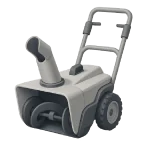
This overview page is your quick-start decision layer. Use it to prioritize what matters most, then open the dedicated best-of and comparison guides before purchase.
4 Key Factors When Buying a Snow Blower
1Clearing Width and Stage Type
Why it matters
Choosing the wrong stage type leads to immediate mechanical failure or physical exhaustion. A single-stage blower will fail to move the heavy, icy slush left by street plows, while an undersized clearing width adds hours of labor to a large driveway.
What to look for
- Single-Stage: Best for decks and short walkways; auger touches the ground.
- Two-Stage: Necessary for gravel or heavy snow; uses an impeller to launch snow.
- Three-Stage: Features an accelerator to provide significantly faster snow movement than two-stage units.
- Projectile Safety: Ensure the housing includes heavy-duty discharge guards to manage the risk of ejected debris.
Expert Take
If you have a gravel driveway, a two-stage or three-stage model is mandatory because the adjustable skid shoes allow you to lift the auger housing above the stone line.
2Power Source (Battery vs. Gas)
Why it matters
The power source dictates your maintenance schedule and runtime. Gas engines provide unlimited runtime but require fuel management, while batteries offer quiet operation but may die halfway through a heavy storm.
What to look for
- Engine Displacement: Look for 250cc or higher for two-stage gas models to ensure enough torque for heavy drifts.
- Battery Voltage: 56V to 80V systems are the current standard for performance that rivals gas.
- Amp-Hour (Ah) Rating: Higher Ah ratings on batteries translate directly to longer clearing time per charge.
Expert Take
Always use ethanol-free fuel in gas models; ethanol absorbs moisture and corrodes small engine carburetors during off-season storage.
3Drive System and Maneuverability
Why it matters
A heavy snow blower is useless if you cannot turn it. Without power steering or a self-propelled drive, you are manually manhandling 200+ lbs of steel through deep drifts, which can lead to back strain and loss of control on slopes.
What to look for
- Trigger-Controlled Power Steering: Allows you to disengage one wheel for effortless zero-turn maneuvers.
- Speeds: Look for at least 6 forward and 2 reverse speeds to handle varying snow densities.
- Tire Tread: Look for ‘X-Track’ or similar deep-lug tires for grip without needing tire chains.
Expert Take
Avoid ‘friction disc’ drives if you have steep hills; look for hydrostatic transmissions which provide smoother speed transitions and better durability under load.
4Chute Control and Ease of Use
Why it matters
Stopping to manually adjust a snow chute every 20 feet doubles your clearing time. If the controls are flimsy or require two hands to operate, you lose the ability to adjust on the fly as wind direction changes.
What to look for
- Joystick Control: Allows for 4-way direction and pitch adjustment with one hand.
- Remote Deflector: Lets you change how high or far the snow is thrown from the operator’s position.
- Steel vs. Poly Chute: Poly chutes are often preferred as they are slicker and less likely to clog with wet snow.
Expert Take
Test the chute controls while wearing your heavy winter gloves in the showroom; many ‘premium’ joysticks are too small to operate comfortably in sub-zero gear.
Key Decision Factors
| Factor | Price Impact | Importance | Deal Breaker |
|---|---|---|---|
| Clearing Width and Stage Type | $200-$600 more | Critical | Yes |
| Power Source (Battery vs. Gas) | $150-$400 more | High | Yes |
| Drive System and Maneuverability | $100-$300 more | High | No |
| Chute Control and Ease of Use | $50-$150 more | Medium | No |
Common Mistakes
- Plastic Impeller Blades: Check the second-stage fan on two-stage models; plastic components often shatter when hitting hidden ice or rocks compared to reinforced steel.
- Carbon Monoxide Risk: Never run gas models in a garage or shed, even with the door open; ensure the model you select has a clear exhaust path away from the operator.