
Electric vs Gas Snow Blowers (2026): Power, Maintenance, and Driveway Fit
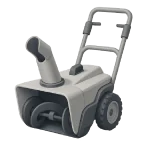
This comparison page helps resolve the biggest buyer fork in the road. Decide platform first, then compare specific models.
3 Key factors for Electric vs Gas Snow Blowers
1Property Size and Infrastructure
Why it matters
The physical constraints of your property and your storage setup dictate the platform. Gas models offer infinite range as long as you have a fuel can, whereas electric models are limited by battery runtime or, in the case of corded models, the physical reach and tripping hazards of an extension cord.
Electric — Choose this if
- You have a standard suburban driveway (2–4 cars) and can finish the job in 45 minutes or less.
- You are considering a corded model for a very small walkway or deck where an outlet is within 100 feet and you don’t mind managing a cold-stiffened cable.
- You have limited garage space and need a machine that can be stored vertically without leaking oil or gas.
Gas — Choose this if
- You have a large property, a long rural driveway, or no easy access to an outlet for charging.
- You need a machine that can sit in an unheated shed without the battery performance degradation caused by extreme cold.
- You need the security of “unlimited” runtime during multi-day blizzard events.
2Clearing Performance and Snow Type
Why it matters
The type of snow you face is the ultimate performance test. While both platforms handle powder well, the heavy, wet slush pushed by street plows requires high torque and sustained power. Notably, two-stage models of either type typically include adjustable skid shoes to handle uneven surfaces or gravel.
Electric — Choose this if
- You typically deal with “dry” snowfalls under 8 inches.
- You prioritize a quiet operation that allows you to clear snow early in the morning without waking neighbors.
- You want instant, push-button starting every single time without the physical effort of a pull-cord.
Gas — Choose this if
- You frequently deal with “heart-attack” snow (heavy, wet, and icy) that requires maximum engine torque.
- You need a machine that can throw snow 40+ feet away to clear wide areas.
- You live in a region where snowfall regularly exceeds 12 inches in a single session.
3Ownership Experience and Maintenance
Why it matters
The ownership experience is a trade-off between seasonal labor and long-term part replacement costs. Gas requires mechanical aptitude and strictly following safety protocols to avoid carbon monoxide (CO) exposure, while electric is “plug-and-play” until the batteries fail.
Electric — Choose this if
- You want zero engine maintenance (no oil changes, no spark plugs, no fuel stabilizers).
- You want to eliminate the smell of exhaust fumes and the safety risks of storing flammable gasoline.
- You are comfortable with the reality that you will likely need to buy a new $300–$500 battery set every 3–8 years.
Gas — Choose this if
- You want a machine that is almost entirely user-repairable with standardized, mechanical parts.
- You are comfortable managing fuel stabilizer and performing an annual oil change to ensure the engine lasts 15+ years.
- You want a platform with a long track record of durability and a wide network of local repair shops.
Key Decision Factors
| Factor | Price Impact | Importance | Deal Breaker |
|---|---|---|---|
| Property Size and Infrastructure | $200-$600 more | Critical | Yes |
| Clearing Performance and Snow Type | $100-$400 more | High | No |
| Ownership Experience and Maintenance | $50-$150 more | Medium | No |
Common Mistakes
- COLD-START FAILURE: Gas engines require fresh fuel and seasonal carb cleaning; using old fuel without stabilizer often results in a machine that won't start during the first big storm.
- BATTERY THERMAL DROP: In temperatures below 0°F to 20°F (depending on the battery chemistry), lithium-ion batteries can lose significant capacity or fail to discharge; they must be stored in a heated space to ensure reliable winter performance.
- CARBON MONOXIDE HAZARD: Gas snow blowers emit high levels of CO; they must never be started or run inside a garage or shed, even with the door open, due to the risk of rapid poisoning.