
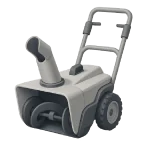
When a snow blower starts then dies, it proves the engine can run, but something is preventing it from maintaining combustion. In 2026, most stalling issues are related to restricted fuel flow or air pressure imbalances caused by the extreme cold. This guide ranks the fixes to get your machine back to work.
5 Reasons Your Snow Blower Keeps Stalling
1Clogged Main Carburetor Jet
The most common culprit is a blocked main jet inside the carburetor, though this symptom can also indicate general fuel starvation from a clogged filter or failing pump. The engine may have enough fuel to idle, but it starves when the throttle opens for load.
Symptoms
- The engine starts on choke but dies when the choke is turned off.
- The engine stalls as soon as you engage the auger or hit a patch of snow.
Care Plan
- Drain the carburetor bowl using the small screw at the bottom.
- Remove the bowl and clean the center bolt (the main jet) with a specialized cleaning wire.
- Use Carburetor Cleaner to spray through the internal passages.
- If the engine still stalls despite a clean jet, inspect the fuel pump (if equipped) and lines.
Common Mistakes
- Running the machine on half-choke permanently. This “masks” the starvation but causes carbon buildup on the spark plug and reduces engine life.
2Vacuum-Locked Gas Cap
The gas cap has a tiny vent that allows air to enter the tank as fuel is drained. If this vent is iced over or clogged, it creates a vacuum that physically stops fuel flow.
Symptoms
- The engine runs perfectly for 2–10 minutes, then dies as if it’s out of gas.
Care Plan
- Turn the engine off and wait for it to stop completely.
- Loosen the gas cap briefly. If you hear a loud “hissing” sound, a vacuum has formed.
- Tighten the cap back down and restart the engine. If it runs well again for several minutes, the cap vent is the culprit.
- Clean the cap with warm water to clear ice or replace it ($10–$20).
Common Mistakes
- Loosening the cap while the engine is running. This is a fire hazard; fuel can splash onto the hot muffler, which is often located directly next to the tank.
3Stale Fuel / Water in Tank
Water can enter the fuel system through condensation. Because water is heavier than gasoline, it sinks to the bottom of the tank and enters the carburetor first, causing the engine to sputter and die.
Symptoms
- The engine pops, backfires, or “stumbles” before stalling.
- You can see clear bubbles at the bottom of a fuel sample drained from the tank.
Care Plan
- Drain the fuel tank and the carburetor bowl completely.
- Wipe the inside of the tank dry.
- Refill with fresh, non-ethanol gasoline and a high-quality fuel stabilizer.
Common Mistakes
- Trying to “run out” the water. Water doesn’t burn; it will only corrode the internal aluminum of the carburetor while the engine remains stalled.
4Blocked Fuel Tank Vent or Filter
If the internal fuel filter becomes clogged with varnish or dirt, fuel cannot reach the engine fast enough to maintain high RPMs.
Symptoms
- The engine idles fine but stalls under load.
- The fuel line looks dark, brittle, or pinched.
Care Plan
- Drain all fuel from the tank into a safe container away from ignition sources.
- If your model has an in-tank filter, use a wire hook to pull it out and inspect it for a slimy or matted appearance.
- Replace the filter ($5–$15) and inspect the fuel lines for any cracks or leaks.
Common Mistakes
- Blowing compressed air through a filter. This can rupture the filter membrane, sending debris directly into the carburetor jets.
5Iced-Up Intake or Breather
In extreme cold or heavy, wet snow, the engine breather or the carburetor intake can ice over. This causes an internal pressure imbalance or restricts the air needed for combustion.
Symptoms
- The engine stalls and the air filter is soaked in oil (breather icing).
- Stall occurs specifically during heavy blizzards or sub-zero temperatures.
Care Plan
- Move the snow blower to a heated garage for 2–4 hours to thaw. Safety Warning: Do not start or run the engine inside the garage; move it outdoors before testing.
- Ensure the engine “heater box” (shroud) is clear of snow so it can properly warm incoming air to prevent carburetor and intake icing.
- Check the air filter; if it’s oily or wet from breather backup, replace it.
Common Mistakes
- Operating without the heater box. Many 2026 snow blowers require that shroud to keep the intake from icing up in sub-zero winter conditions.