
Ceramic vs Oil-Filled Space Heaters (2026): Speed, Heat Retention, and Bedroom Safety
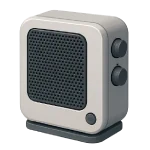
This comparison page helps resolve the biggest buyer fork in the road. Decide platform first, then compare specific models.
3 Key factors for Ceramic vs Oil-Filled Space Heaters
1Warm-up Speed and Room Sizing
Why it matters
Choosing a heater requires matching wattage to square footage—the industry standard is approximately 10 watts per square foot. Ceramic heaters are “sprinters” that use fans to distribute heat instantly, making them ideal for poorly insulated spots. Oil-filled radiators are “marathoners” that heat the air gradually but maintain warmth longer.
Ceramic — Choose this if
- You need immediate warmth in a specific area (e.g., a home office or workshop).
- You want a lightweight unit that is easy to move (ceramic models are often under 10 lbs).
- You are heating a small room (~150 sq. ft.) and need a 1500W unit to provide instant relief.
Oil-Filled — Choose this if
- You want to maintain steady, comfortable warmth in a medium-sized room (150–250 sq. ft.) for 5+ hours.
- You want a unit that stays warm for 30–60 minutes after it’s turned off.
- You prefer radiant heat that doesn’t feel like a localized “blow dryer” effect.
2Operational Noise and Air Quality
Why it matters
Acoustic comfort is often the dealbreaker for bedrooms. Ceramic heaters are typically rated between 40–55dB depending on fan speed, while oil radiators have no moving parts and operate in near-total silence.
Ceramic — Choose this if
- You don’t mind a low background hum or enjoy it as white noise for concentration.
- The unit will be used in an area with high ambient noise where the fan whir is unnoticeable.
- You want the benefit of oscillation to move air across a wider area quickly.
Oil-Filled — Choose this if
- You are a light sleeper or need a silent environment for professional video calls.
- You have dry eyes or skin; fan-less radiators don’t blow air directly over your body, which can be less drying.
- You want to avoid circulating dust and pet dander, making this the better choice for allergy sufferers.
3Safety Certifications and Stability
Why it matters
Safety is the most critical factor. Most current models include tip-over switches and overheat protection as standard features, but their physical design affects risk. Ceramic heaters stay cool to the touch but have high-speed fans, while oil radiators are heavy (typically 15–30 lbs) and feature metal fins that become very hot.
Ceramic — Choose this if
- You have small children or pets and need a “cool-touch” housing that won’t cause surface burns.
- You need a compact unit for a tabletop or stable desk surface.
- You want a heater that cools down the moment it is switched off.
Oil-Filled — Choose this if
- You can place the heater in a low-traffic corner where it won’t be accidentally touched or tripped over.
- You want a unit that is physically harder to tip over due to its weight and wide wheelbase.
- You are looking for a unit for long-term overnight use, as many experts prefer the lack of exposed heating elements.
Key Decision Factors
| Factor | Price Impact | Importance | Deal Breaker |
|---|---|---|---|
| Warm-up Speed and Room Sizing | $0-$40 difference | Critical | Yes |
| Operational Noise and Air Quality | Negligible | High | No |
| Safety Certifications and Stability | $20-$50 for premium safety tech | High | Yes |
Common Mistakes
- Ignition Hazard: Space heaters are a leading cause of home fires. Always maintain at least a 3-foot clearance from curtains, bedding, and furniture. Ensure the unit carries a UL, ETL, or CSA safety certification mark.
- Power Draw: Never use an extension cord. A 1500W heater draws ~12.5 Amps, which can overheat standard cords. Always plug directly into a wall outlet to prevent electrical fires.