
Stand Mixer Buying Guide 2026: 4 Things to Know Before You Buy
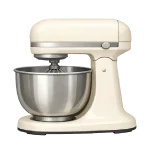
This overview page is your quick-start decision layer. Use it to prioritize what matters most, then open the dedicated best-of and comparison guides before purchase.
4 Key Factors When Buying a Stand Mixer
1Gear Construction and Drive System
Why it matters
The internal gears and transmission dictate whether your mixer will last 2 years or 20 years. While most top-rated home models use a mix of materials, a robust gear system prevents the machine from stalling or permanently stripping when faced with the resistance of dense bread dough.
What to look for
- Robust gear construction (many top models use metal gears with a sacrificial nylon worm gear for motor protection).
- Direct-drive transmission for more efficient power transfer than belt-driven assemblies.
- All-metal gearboxes in premium or ‘professional’ labeled lines for extreme durability.
Expert Take
Listen to the motor under load; a consistent hum suggests a well-engineered transmission, whereas a grinding sound often signals misaligned gears or a failing sacrificial safety part.
2Bowl Capacity and Clearance
Why it matters
Choosing the wrong bowl size or lift style creates daily friction. Tilt-head models are convenient for adding ingredients but can be unstable for heavy loads, whereas bowl-lift models offer the structural integrity needed for larger, professional-sized batches.
What to look for
- 4.5 to 5-quart capacity for standard families; 6 to 7-quart for heavy batch baking.
- Adjustable beater-to-bowl clearance (verified via the ‘dime test’) to ensure full ingredient incorporation.
- Stainless steel bowls with sturdy handles for easier maneuvering and pouring.
Expert Take
Perform the ‘dime test’ immediately after purchase; if the beater doesn’t just barely touch a dime at the bottom, you will likely find unincorporated flour at the base of your batters.
3Attachment Hub Versatility
Why it matters
A stand mixer is a significant investment that should handle more than just baking. A high-quality power hub allows the machine to become a meat grinder, pasta roller, or vegetable spiralizer, effectively replacing several other bulky kitchen appliances.
What to look for
- A universal attachment hub (usually located behind a front cap).
- Metal attachment housings rather than plastic ones for long-term durability.
- Broad availability of specialized accessories compatible with the specific brand and model.
Expert Take
Check if the hub is ‘geared’; geared hubs provide the high torque necessary for heavy-duty tasks like grinding cold meat without stressing the main motor.
4Motor Power and Stability
Why it matters
Wattage is often a marketing distraction; it’s the torque and stability that matter for thick doughs. A high-wattage motor that overheats quickly is less useful than a well-designed motor that maintains power and stays anchored to your counter during heavy use.
What to look for
- At least 250-325 watts for reliable household use, with 500W+ ideal for frequent heavy dough.
- Non-slip feet and a stable, weighted base to prevent ‘walking’ or tipping during heavy kneading loads.
- Electronic speed sensors that maintain consistent RPM as the resistance of the dough increases.
Expert Take
Consider models with strong low-speed torque; some well-designed motors excel here for bread dough, allowing for thorough kneading without generating excessive heat.
Key Decision Factors
| Factor | Price Impact | Importance | Deal Breaker |
|---|---|---|---|
| Gear Construction and Drive System | $80-$150 more | High | No |
| Bowl Capacity and Clearance | $50-$100 more | High | Yes |
| Attachment Hub Versatility | $20-$60 more | High | No |
| Motor Power and Stability | $40-$100 more | Medium | No |
Common Mistakes
- No thermal overload protection or auto-shutoff: Avoid models lacking motor protection features, as prolonged heavy use can lead to overheating and motor damage.
- Excessive Head Vibration: If the mixer 'jumps' or clanks significantly while mixing a simple batter, it indicates poor alignment and high risk of mechanical failure.