
Bagged vs Bagless Vacuum Cleaners (2026): Hygiene, Maintenance, and Longevity
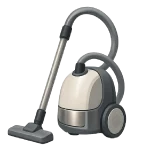
This comparison page helps resolve the biggest buyer fork in the road. Decide platform first, then compare specific models.
3 Key factors for Bagged vs Bagless Vacuums
1Dust Containment and Hygiene
Why it matters
The primary decision driver is how the vacuum manages the dirt it collects. This impacts your indoor air quality and determines whether the “dirty work” of emptying the machine triggers your allergies or creates a secondary mess in your home.
Bagged — Choose this if
- You suffer from allergies or asthma and want to verify your vacuum’s performance through third-party allergy certifications (e.g., Allergy Standards Limited) rather than manufacturer claims alone.
- You want a “mess-free” experience where you never have to see or touch the dirt you’ve collected.
- You want the bag itself to act as an extra layer of high-efficiency filtration for the exhaust air.
Bagless — Choose this if
- You prefer the transparency of seeing exactly how much dirt you’ve picked up during a session.
- You frequently vacuum up small items (like jewelry or toy parts) and want to be able to retrieve them easily from a clear bin.
- You are comfortable emptying the bin outdoors or directly into a deep trash can to avoid dust clouds.
2Convenience and Operating Costs
Why it matters
This factor balances upfront convenience against long-term operating costs. While bagless vacuums eliminate the need to shop for supplies, they shift the “cost” to your time through more intensive manual cleaning of the machine’s components.
Bagged — Choose this if
- You want a “set it and forget it” maintenance schedule, only interacting with the machine every 1–3 months when the bag is full.
- You don’t want to spend time washing, drying, and scrubbing dirty plastic canisters or pleated filters.
- You want the motor to be better protected from fine dust by a multi-layer self-sealing bag.
Bagless — Choose this if
- You want zero recurring costs and don’t want to worry about running out of bags in the middle of a cleaning task.
- You prefer a “plug-and-play” appliance that is ready to go whenever the bin is empty.
- You want a machine that is typically lighter and more maneuverable, which is common for bagless stick and handheld models.
3Maintenance and Long-Term Durability
Why it matters
The internal design of these two platforms affects their lifespan. Bagged vacuums are often built with a focus on longevity and motor protection, while bagless designs must balance airflow and filtration within a more complex plastic housing.
Bagged — Choose this if
- You are looking for a durable appliance and have verified that the replacement bags are a common, widely available size to avoid discontinuation risks.
- You want a machine with a standardized internal airflow path that is less prone to clogs in the fine-dust separation stages.
- You prefer the robust build quality typically associated with high-end engineered bagged canister and upright models.
Bagless — Choose this if
- You are looking for the latest in battery technology and cordless convenience, as most innovation in this space is bagless.
- You plan to replace your vacuum every 5–8 years to stay current with technology rather than repairing an older unit.
- You want a compact design that fits easily into small closets without needing extra space for a box of supplies.
Key Decision Factors
| Factor | Price Impact | Importance | Deal Breaker |
|---|---|---|---|
| Dust Containment and Hygiene | $50-$150 more | Critical | Yes |
| Convenience and Operating Costs | $20-$60 per year | High | No |
| Maintenance and Long-Term Durability | $100-$300 more | Medium | No |
Common Mistakes
- THE DUST PLUME: Emptying a bagless bin inevitably releases a cloud of fine particulate back into the air; if you have asthma, this 'convenience' becomes a health trigger.
- FILTER NEGLECT: Bagless vacuums rely on clean filters to protect the motor; skipping regular filter maintenance will lead to suction loss and premature motor failure.
- BAG OBSOLESCENCE: Proprietary bag sizes carry a discontinuation risk; verify that your chosen model uses a common, widely available bag standard to ensure 10+ years of utility.