
Washer and Dryer Buying Guide 2026: 5 Things to Know Before You Buy
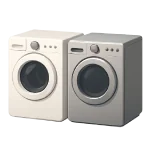
This overview page is your quick-start decision layer. Use it to prioritize what matters most, then open the dedicated best-of and comparison guides before purchase.
5 Key Factors When Buying a Washer and Dryer
1Configuration and Mold Prevention
Why it matters
Front-loaders are stackable and clean better but are prone to mold in the door gasket. Top-loaders are easier to load for those with back pain and rarely smell, but they are significantly less efficient and cannot be stacked.
What to look for
- Antimicrobial door gaskets on front-load models.
- Reversible door hinges (to ensure the washer and dryer doors don’t collide).
- Presence of a ‘Drum Clean’ cycle.
Expert Take
To prevent mold in front-loaders, always leave the door ajar after a cycle and wipe the rubber gasket dry—even the most expensive models will smell if the seal stays damp.
2Water Efficiency and Utility Costs
Why it matters
Water usage varies wildly: front-loaders use roughly 13 gallons per load, whereas traditional agitator top-loaders can exceed 40 gallons. Over the 10-year life of the machine, this difference can amount to thousands of dollars in utility bills and sewage fees.
What to look for
- ‘Energy Star’ and ‘HE’ (High Efficiency) certifications.
- Automatic load sensing (which adjusts water levels to the weight of the clothes).
- Integrated soil sensors that extend the rinse cycle only when necessary.
Expert Take
Higher spin speeds on front-loaders extract more water before the clothes ever hit the dryer; this reduces drying time, which is especially useful if your laundry room is located upstairs near bedrooms.
3Drying Tech and Install Requirements
Why it matters
Vented dryers are fast but require a hole in your wall. Heat pump dryers are ventless and save energy, but they require either a floor drain or a condensate tank that must be emptied. Both require a 240V outlet in the US; they are not simple ‘plug-and-play’ for standard 120V wall sockets.
What to look for
- Ventless/Heat Pump vs. Vented specifications.
- Condensate drainage options (sink hookup vs. manual tank).
- 240V power requirements (confirm your laundry room has the correct large 3 or 4-prong outlet).
Expert Take
A heat pump dryer saves $100–$150 annually, meaning the premium price pays for itself in two to five years depending on your local electricity rates and how often you do laundry.
4Drum Capacity and Cycle Throughput
Why it matters
Drum capacity is measured in cubic feet. If you buy a unit that is too small (under 4.0 cu. ft.), you will be forced to do more loads or risk burning out the motor by overstuffing it with heavy towels and bedding.
What to look for
- 4.5 to 5.0 cu. ft. for a standard family of four.
- 5.2+ cu. ft. if you frequently wash king-sized comforters.
- Shallow-depth models for tight closets (standard units are often 30-34 inches deep).
Expert Take
Don’t just measure the machine; add 6 inches to the depth for the dryer vent and water hoses, otherwise, your laundry closet doors may not close.
5Vibration and Noise Control
Why it matters
Laundry machines generate significant vibration during the high-speed spin cycle. Without advanced dampening, the ‘walking’ and thumping of a washer can cause structural noise that vibrates through the walls of your home.
What to look for
- Vibration Reduction Technology (VRT) or ‘Anti-Vibration’ branding.
- Direct Drive motors (usually quieter than belt-driven systems).
- Stainless steel tubs (which are balanced more precisely than plastic-coated ones).
Expert Take
If your laundry is on the second floor, vibration is unavoidable; invest in thick rubber anti-vibration pads to place under the feet—they are a $20 fix that saves your floor joists.
Key Decision Factors
| Factor | Price Impact | Importance | Deal Breaker |
|---|---|---|---|
| Configuration and Mold Prevention | $100-$300 more for front-load | Critical | Yes |
| Water Efficiency and Utility Costs | $150-$400 more for HE models | High | Yes |
| Drying Tech and Install Requirements | $300-$500 more for heat pump | High | Yes |
| Drum Capacity and Cycle Throughput | $150-$350 more | Medium | No |
| Vibration and Noise Control | $100-$200 more | Medium | No |
Common Mistakes
- MOLD-PRONE DOOR SEALS: On front-loaders, check if the rubber gasket lacks a dedicated drain hole; without it, water pools and creates permanent odors.
- PLASTIC DRAIN PUMP HOUSINGS: Machines with plastic pump housings are prone to cracking if a coin or hard object slips through the filter, leading to expensive leaks.