
Front-Load vs Top-Load Washers and Dryers (2026): Infrastructure, Cleaning, and Maintenance
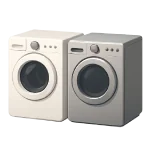
This comparison page helps resolve the biggest buyer fork in the road. Decide platform first, then compare specific models.
3 Key factors for Front-Load vs Top-Load Washers and Dryers
1Installation and Space Logistics
Why it matters
This is the most immediate constraint because it determines if the unit is physically compatible with your home’s layout. Front-loaders offer stackability but require significant depth for the door swing, while top-loaders need vertical clearance that prevents them from being installed under counters.
Front-Load — Choose this if
- You need to stack your units to save floor space in a small laundry closet or apartment.
- You want a built-in look under a continuous countertop in a modern utility room or kitchen.
- You have a deep laundry room (32 inches or more) that accommodates the large front-opening door swing.
- You are looking for an ADA-compliant setup where controls and drums are accessible from a seated position.
Top-Load — Choose this if
- You have a narrow laundry area where a front-swinging door would block a hallway or exit.
- You prefer to load and unload laundry while standing upright to avoid frequent bending or crouching.
- You are installing on a second floor where high-speed lateral vibration from front-load spins might be an issue.
- You have a shallow alcove that won’t accommodate the extra 3–5 inches of depth often found in front-load drums.
2Cleaning Performance and Fabric Care
Why it matters
The cleaning technology dictates how much wear and tear your clothes endure. Front-loaders use gravity and a tumbling action which is inherently gentler, whereas top-loaders vary between aggressive agitators for heavy soil and impellers that balance efficiency with speed.
Front-Load — Choose this if
- You wash a high volume of ‘delicates’ (silk, activewear, sweaters) that benefit from a gentle tumble wash.
- You want the lowest possible water usage, often as low as 7–13 gallons per load for ENERGY STAR models.
- You want to minimize drying time; their high-speed spin cycles (up to 1,600 RPM) extract more water than most top-loaders.
- You frequently wash bulky items like comforters that can ‘unbalance’ a top-loader more easily.
Top-Load — Choose this if
- You prefer faster wash times; traditional agitator models often finish 15–20 minutes faster than modern front-loaders.
- You want the ability to pause the cycle and toss in a forgotten item after the wash has started.
- You wash heavily soiled work clothes that benefit from the extra mechanical ‘scrubbing’ of a central agitator.
- You are looking for an HE impeller model that provides a compromise between water efficiency and a traditional top-access design.
3Maintenance and Long-Term Reliability
Why it matters
The ownership experience is defined by daily maintenance and utility costs. While both types now have a median lifespan of 10–14 years, the ‘hidden’ maintenance tasks like gasket cleaning and detergent selection differ significantly between the two platforms.
Front-Load — Choose this if
- You are disciplined about leaving the door open and wiping the rubber gasket to prevent mold and odors.
- You prioritize the quietest possible operation; modern front-loaders often feature superior vibration-reduction tech.
- You want a unit with advanced smart features like auto-detergent dispensing and remote cycle management.
Top-Load — Choose this if
- You want a ‘set it and forget it’ maintenance routine without worrying about airtight seals or mildew buildup.
- You want a machine with a simpler mechanical drive system that is often easier and cheaper for technicians to repair.
- You prefer a more traditional user experience with physical dials and straightforward cycle selections.
Key Decision Factors
| Factor | Price Impact | Importance | Deal Breaker |
|---|---|---|---|
| Installation and Space Logistics | $150-$400 more | Critical | Yes |
| Cleaning Performance and Fabric Care | $100-$300 more | High | No |
| Maintenance and Long-Term Reliability | $100-$250 less | Medium | No |
Common Mistakes
- FLOOR VIBRATION RISK: Installing a front-loader with a 1,400+ RPM spin cycle on a second-story wood-frame floor can cause significant structural vibration; consider a top-loader or a lower-RPM unit for these locations.
- DETERGENT BUILDUP: HE front-loaders and impeller top-loaders require 'HE-only' detergent; using standard soap causes excess suds that can trigger error codes and lead to expensive sensor failures.