
Washer Buying Guide 2026: 5 Things to Know Before You Buy
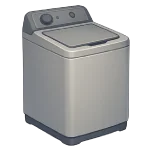
This overview page is your quick-start decision layer. Use it to prioritize what matters most, then open the dedicated best-of and comparison guides before purchase.
5 Key Factors When Buying a Washer
1Configuration & Floor Type
Why it matters
Front-load washers offer the best cleaning performance but generate significant vibration due to their high spin speeds. If your laundry room is on a second floor or over a crawlspace, these vibrations can shake the entire house. Top-load washers are more stable on wooden joists but generally use more water and energy.
What to look for
- Vibration Reduction Tech: Essential for upper-floor installations.
- Stacking Kits: Verify if the specific model is compatible with a matching dryer for vertical space-saving.
- HE Requirement: Almost all modern configurations require low-sudsing ‘HE’ detergent to operate correctly.
Expert Take
If installing a front-loader on a second floor, check if the manufacturer offers a “vibration guarantee” or specialized damping tech; without it, the 1,200+ RPM spin can be disruptive to the living spaces below.
2Drum Capacity & Material
Why it matters
Capacity determines your weekly load count. A range of 4.0–4.5 cubic feet is typically sufficient for a family of four. For the inner spinning basket, stainless steel is the gold standard; unlike porcelain-coated steel, it won’t chip or rust, which protects your clothes from snags over the 10-15 year life of the machine.
What to look for
- Inner Drum Material: Ensure it is 100% stainless steel (note: the outer, non-visible tub is usually plastic, which is normal).
- Agitator vs. Impeller: Top-loaders with impellers (discs) offer more room for bulky items like bedding.
Expert Take
Avoid choosing the largest drum (5.0+ cu. ft.) if you frequently run small loads; oversized drums can struggle to balance a few items, leading to “unbalanced load” errors and aborted cycles.
3Spin Speed (RPM) & Extraction
Why it matters
The Revolutions Per Minute (RPM) rating indicates how much water the washer extracts before the clothes hit the dryer. Higher spin speeds (1,200–1,400 RPM) meaningfully reduce drying time depending on fabric type and load size, which lowers your total household energy consumption.
What to look for
- Max Spin Speed: Look for at least 1,200 RPM for front-loaders; 800 RPM for top-loaders.
- Adjustable Spin: Essential for delicate fabrics that cannot handle high-speed extraction.
Expert Take
High spin speeds are great for towels and jeans, but they can set deep wrinkles in cotton shirts. Look for a model that allows you to independently adjust the spin speed for every cycle.
4Detergent Delivery & HE Requirements
Why it matters
Modern high-efficiency (HE) washers are extremely sensitive to detergent amounts. Using too much soap causes “biofilm” buildup—the primary cause of the dreaded mold smell. Automatic dispensers hold a bulk supply and inject the exact amount needed based on the load’s weight and soil level.
What to look for
- Bulk Dispenser Capacity: Some hold up to 30 loads worth of detergent.
- Detergent Compatibility: Verify if the dispenser works with both liquid and pods (though pods usually bypass bulk systems).
Expert Take
An automatic dispenser is the most effective way to prevent the mold and odors associated with front-load washers, as it eliminates the human error of over-pouring detergent.
5Internal Heaters & Sanitization
Why it matters
Most washers rely on the temperature of your home’s water heater, which can cool down significantly through the pipes. An internal heater allows the machine to reach temperatures required for true sanitization. Models certified under NSF/ANSI Protocol P172 must reach a minimum temperature (typically 140°F+) sufficient to reduce bacteria by 99.9%.
What to look for
- NSF P172 Certification: The verifiable benchmark for sanitization.
- Steam Cycles: Helps loosen stains and allergens before the main wash begins.
- Supply Connections: Most models with internal heaters still require both a hot and cold water hookup for standard cycles.
Expert Take
If you wash in a basement far from your water heater, your “Hot” cycle is likely only lukewarm. A model with an internal heater is the only way to guarantee the water actually reaches 130°F+ for effective allergen removal.
Key Decision Factors
| Factor | Price Impact | Importance | Deal Breaker |
|---|---|---|---|
| Configuration & Floor Type | $100-$300 more | Critical | Yes |
| Drum Capacity & Material | $100-$250 more | High | Yes |
| Spin Speed (RPM) & Extraction | $50-$150 more | High | No |
| Detergent Delivery & HE Requirements | $100-$200 more | Medium | No |
| Internal Heaters & Sanitization | $100-$150 more | Medium | No |
Common Mistakes
- Odor Retention (Front Loaders): Inspect the door gasket for a drain hole and anti-microbial coating; models without these or a dedicated 'vent' mode are highly prone to mold and mildew buildup.
- Coated/Plastic Inner Drums: Avoid models that use plastic or porcelain-coated steel for the inner spinning basket; these can chip or snag clothes over time compared to high-grade stainless steel.