
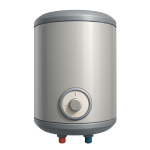
Noticing orange or brown water only when you run the hot tap is a classic sign of water heater rusty water — a problem that ranges from a simple $30 maintenance fix to a sign that the tank itself needs replacing. This 2026 guide ranks all four common causes from most to least likely so you can stop guessing and start fixing.
4 Common Causes for Water Heater Rusty Water
1Failed or Depleted Anode Rod
Every storage water heater contains a sacrificial anode rod — a magnesium, aluminum, or aluminum/zinc alloy rod suspended inside the tank whose job is to corrode so the steel tank walls do not. When the rod is fully consumed, the tank itself becomes the sacrificial metal, and rust begins shedding directly into your hot water supply. This is by far the most common cause of rusty hot water, especially in units that have never had the rod inspected.
Symptoms
- Hot water is orange, reddish-brown, or has a metallic taste, but cold water from the same tap is clear
- A faint sulfur or rotten-egg odor in the hot water (especially common when a magnesium rod has reacted with sulfate-rich water)
- The water heater is 3 or more years old and the anode rod has never been inspected
Care Plan
- Shut off and cool the unit. Close the cold water inlet valve, then cut power at the breaker (electric) or turn the gas control knob fully to “Off” and close the manual gas shutoff on the supply line (gas). Wait at least 1–2 hours for the water inside the tank to cool — residual hot water and steam under the rod fitting can cause serious burns if you skip this step.
- Relieve pressure and confirm shutoff. Open a hot water faucet somewhere in the house. This breaks any vacuum that would impede drainage, and the flow stopping shortly after confirms the cold inlet is fully closed. Note: the tank remains under the pressure of its own water column until drained — it is not fully depressurized by opening the faucet. The faucet step is for vacuum relief and shutoff confirmation only.
- Drain 2–3 gallons from the tank. Attach a garden hose to the drain valve and run it to a floor drain or outside. Open the valve and drain a few gallons to reduce water level near the anode rod port. Close the drain valve when done.
- Locate and remove the anode rod. The rod is typically accessible from the top of the tank — sometimes under a sheet-metal cover panel. Check your owner’s manual for the correct socket size before heading to the hardware store; 1-1/16 inches (27mm) is common but not universal — some manufacturers use 1-1/8 inches, and combo rods threaded into the hot outlet port use a different size entirely. Use a breaker bar for leverage; seized rods are common. Have a helper brace the tank if needed.
- Inspect and replace. If the rod has worn down to approximately ½ inch in diameter (from a starting diameter of roughly 1 inch) or bare steel wire is visible along its length, it is depleted and must be replaced. Use magnesium rods for standard municipal water. For softened water systems, aluminum/zinc rods are commonly recommended because softened water (high in sodium ions) accelerates magnesium rod depletion — however, this is a simplified guideline: some plumbers recommend simply inspecting and replacing the magnesium rod more frequently rather than switching materials. Consult your water heater manufacturer’s guidance for your specific water chemistry. Hand-tighten the new rod until resistance is felt, then turn an additional ¼ to ½ turn with the socket wrench. Do not overtighten — this can crack the tank port fitting. Many rods include a manufacturer torque spec (commonly 40–60 ft-lbs); follow it if provided. Restore cold water supply, re-energize the unit, and flush several gallons from a hot tap before using.
Common Mistakes
- Using the wrong socket size without checking the manual. Forcing a slightly wrong-sized socket can round off the hex fitting on the rod or the tank port, making removal far harder.
- Skipping the cooling period before opening the rod fitting. Even with the inlet valve closed, the water inside a recently operating tank can be at or near 120–140°F. Opening the fitting without allowing it to cool risks a steam or scalding water discharge directly at face level.
2Corroding or Failing Tank Interior
Once the anode rod is fully depleted and no replacement is made, the steel interior of the tank begins to oxidize. Over time — and especially in older units or homes with highly corrosive water — the glass or porcelain lining of the tank can crack, exposing bare steel to standing water around the clock. At this stage, rust shedding is continuous and no amount of maintenance will reverse it. This is the most serious cause on this list and in most cases points toward unit replacement rather than repair.
Symptoms
- Persistent rust-colored hot water that does not clear after running the tap for several minutes
- Rust staining or mineral deposits on the exterior of the tank, or visible weeping/dripping on the tank body or base
- Unit is 8 or more years old and has had no anode rod maintenance
Care Plan
- Confirm the rust source is the tank, not the pipes. Run cold water from a tap that shares the same supply line. If cold water is clear and only hot water is rusty, the source is almost certainly inside the tank rather than the pipes. If both hot and cold are discolored, skip ahead to Cause 4.
- Check the tank exterior before proceeding. Visually inspect all sides of the tank and the base for dripping, rust staining, or moisture. If any active leak or exterior weeping is present, close the cold water inlet valve immediately, cut power or gas to the unit, and call a licensed plumber — do not refill or test an actively leaking tank.
- If the exterior is dry, perform a drain-and-flush test. Allow the tank to cool for at least 1–2 hours after shutting down the unit — the same burn-risk applies here as in Cause 1. Attach a garden hose to the drain valve and drain the tank completely into a bucket or floor drain. Note the color and odor of the water exiting the hose.
- Do not stand in front of the TPR valve during any refill step. Before reopening the cold inlet, locate the Temperature and Pressure Relief (TPR) valve and confirm its discharge pipe points safely downward. On older units, pressure changes during refill can occasionally cause a marginal TPR valve to discharge near-boiling water. Keep clear of the discharge pipe opening throughout the refill.
- Refill and run a color test — with conditions. If the exterior is dry and no leak was found, refill the tank, restore power or gas, and run a hot water tap for 10–15 minutes. If the water runs clear for 12 hours then turns rusty again, the tank wall is actively corroding and replacement is the correct next step. Call a licensed plumber for replacement. A standard 40–50 gallon tank replacement runs approximately $800–$2,300 installed (parts plus labor) depending on fuel type, unit efficiency, and local labor rates — prices vary significantly by region, so get at least two quotes and ask each plumber to specify whether the quote includes permit fees and haul-away of the old unit. (The parts-only cost for a replacement tank is typically $400–$1,800 depending on fuel type and efficiency tier.)
Common Mistakes
- Refilling and testing a tank that is already dripping. An exterior leak is a sign of structural tank failure. Refilling puts renewed stress on the compromised wall and can accelerate the leak into a flood.
- Ignoring the permit requirement for replacement. In most US states, water heater replacement requires a permit and post-installation inspection. Unpermitted replacement can complicate homeowner’s insurance claims and create problems at resale.
3Heavy Sediment Buildup Inside the Tank
Minerals dissolved in your water supply — primarily calcium, magnesium, and iron — gradually settle out and accumulate at the bottom of the tank as a layer of “sludge” or gritty sediment. In areas with high iron content in the municipal supply, this sediment is naturally orange or brown. While the sediment itself is not always rust from the tank, it can look identical in your bathtub. This buildup is most common in homes that do not perform the manufacturer-recommended annual flush.
Symptoms
- The water turns rusty or cloudy only when you first turn on the tap, then gradually clears.
- You hear popping, rumbling, or “kettling” noises coming from the tank during a heating cycle.
- Hot water takes longer to recover than it used to.
Care Plan
- Perform a full tank flush. Follow the shutdown and cooling steps in Cause 1. Attach a garden hose to the drain valve and run it to a floor drain or outdoors.
- Agitate the sediment. With the drain valve open, turn the cold water supply valve on and off in short, 10-second bursts. This “pulses” the water, stirring up the heavy sediment at the bottom so it can be carried out through the hose.
- Inspect the discharge. Watch the water exiting the hose. If it is full of sandy or muddy orange debris but eventually runs crystal clear, sediment was your primary issue.
- Check the dip tube. If the sediment looks like small white or gray plastic “chips,” your dip tube (the tube that sends cold water to the bottom) may be disintegrating. This requires replacing the dip tube, not just a flush.
Common Mistakes
- Closing the drain valve before the water runs clear. If you stop mid-flush, you’ll leave loose sediment suspended in the water, making the rust color even worse for the next 24 hours.
- Forgetting to purge air. After refilling, you must run a hot water tap until the sputtering stops before turning the power or gas back on. A “dry” heating element will burn out in seconds.
4Corroded Galvanized Supply Pipes
If your home was built before the 1970s and hasn’t been repiped with copper or PEX, you likely have galvanized steel pipes. These pipes are coated with zinc to prevent rust, but after 40–60 years, that zinc wears away. The bare steel then rusts from the inside out. Even a brand-new water heater will produce rusty water if the pipes delivering that water are corroding.
Symptoms
- The “Slug” of Rust: When you first turn on a tap after it hasn’t been used for a few hours, a “slug” of very rusty water comes out, then it runs clear.
- Both Hot and Cold are Rusty: This is the smoking gun. If the cold water is also discolored, the problem is your piping or the municipal supply, not the water heater.
- Low Water Pressure: As rust builds up inside galvanized pipes, it restricts water flow, much like a clogged artery.
Care Plan
- The “Magnet Test”: Locate a section of exposed pipe in your basement or crawlspace. If a magnet sticks to the pipe, it is steel (galvanized). If it doesn’t stick, it’s likely copper or plastic.
- Verify with a cold-water tap. Run the cold water in a bathtub for 2 minutes. If it remains discolored, the issue is your home’s main lines or the city’s water main.
- Install a whole-house iron filter. If the rust is coming from your well or the city supply, a 2026-rated iron filtration system can remove the discoloration before it even enters your water heater.
- Plan for a repipe. If the pipes themselves are the source, the only permanent fix is to replace them with PEX or copper. This is a major project, but it prevents leaks and restores water pressure.
- Clean your aerators. Rust from galvanized pipes often breaks off in chunks. If you have low pressure at a specific sink, unscrew the faucet aerator and rinse out the orange grit trapped inside.
Common Mistakes
- Replacing a healthy water heater. Many homeowners spend $1,500 on a new water heater only to find the water is still rusty because the old galvanized pipes were the real culprit.
- Patching galvanized pipe. Once these pipes start rusting, they become brittle. Trying to “patch” one area often leads to a snap or a new leak further down the line.