
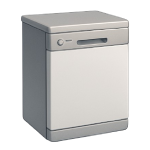
Nothing ruins a modern kitchen renovation faster than a dishwasher leaking water onto a new hardwood floor. While a puddle can look catastrophic, most leaks stem from small components that have shifted, clogged, or worn out. This guide ranks solutions from most likely to least likely to help you find the source of the drip efficiently.
5 Common Causes for a Leaking Dishwasher
1Worn or Dirty Door Gasket
The large rubber gasket that runs along the three sides of the door is your first line of defense. Over time, it can accumulate food debris or mineral scale that prevents it from forming a perfect seal, or it may simply become brittle and crack.
Symptoms
- Water dripping from the bottom or sides of the door.
- Visible crusty buildup on the black rubber seal.
- Sudsy foam appears at the bottom of the door.
Care Plan
- Open the door and wipe down the entire length of the gasket with a damp cloth and mild soap.
- Inspect the seal for any cuts, tears, or flattened areas.
- Check the “door strike” (the latch) to ensure it is pulling the door tight against the unit.
- Ensure no plates or utensils are sticking out from the rack and pushing against the door.
- Confirm you are using dishwasher detergent, not hand-washing dish soap, which can create leak-causing oversudsing.
- If the rubber is cracked, pull it out of the channel and press in a new OEM replacement seal.
Common Mistakes
- Replacing the gasket when it just needed to be cleaned.
- Closing the door on a rogue utensil, which permanently deforms the seal.
- Using regular dish soap, which can force foam past even a good gasket.
2Blocked or Cracked Spray Arm
If a spray arm is cracked or its jet holes are clogged, it can create a “sideways” water jet. This concentrated stream of water can hit the door seal at an angle it wasn’t designed to handle, forcing water past the barrier.
Symptoms
- The leak only happens at specific points during the wash cycle.
- A “thumping” sound as the spray arm hits a dish, followed by a surge of water.
Care Plan
- Remove the bottom rack and pop off the spray arms.
- Inspect the plastic seams of the arms for cracks or splits.
- Use a toothpick to clear mineral deposits from the jet holes.
- Ensure the spray arms spin freely without hitting the racks.
- Replace the arm if the plastic has warped or split along the side.
Common Mistakes
- Assuming the door seal is at fault when the water is actually being “blasted” through it.
3Stuck Float Switch
The float switch is a small plastic “mushroom” at the bottom of the tub. As the dishwasher fills, the float rises; when it reaches the correct height, it triggers a switch to stop the water. If the float is stuck or the switch is dead, the dishwasher will overfill and leak.
Symptoms
- Water continues to enter the unit after the cycle has started.
- Water leaks from the very bottom of the door during the fill phase.
Care Plan
- Locate the float in the front corner of the tub.
- Lift it up and down; it should move freely with a distinct “click” from the switch below.
- Clean out any string, hair, or debris that might be “pinning” the float down.
- If it moves but doesn’t stop the water, you may need to replace the switch located under the tub.
- Ensure the dishwasher is perfectly level, as a tilted unit can prevent the float from rising.
Common Mistakes
- Forgetting to check under the float for trapped objects like a stray bottle cap or fruit sticker.
4Faulty Water Inlet Valve
The water inlet valve is what allows water into the machine. If the internal diaphragm is cracked or the valve housing is rusted, it can leak from the connection point behind the bottom kickplate.
Symptoms
- A slow, steady drip that persists even when the dishwasher is turned off.
- Water pooling under the front-left or front-right corner of the unit.
Care Plan
- Remove the bottom kickplate while the unit is off.
- Use a flashlight to check the brass or plastic valve for visible moisture.
- Tighten the hose connections if they are loose.
- If the valve housing itself is dripping, replace the entire assembly.
- On many models, the internal screen is not designed to be removed—check your manual before attempting a cleaning.
Common Mistakes
- Ignoring a small drip that only happens when the unit fills; this will eventually lead to major floor rot.
5Failed Pump Seal or Main Tub Leak
The drain pump and circulation pump are located at the very bottom of the unit. These use rubber seals to keep water in the tub. If the motor bearings fail or the seals wear out, water will leak directly from the center of the machine.
Symptoms
- Water pooling in the center of the floor under the machine.
- A high-pitched squeal or grinding noise followed by a leak.
Care Plan
- Unplug the unit and remove the kickplate.
- Look for “water tracks” or dried detergent trails on the motor housing.
- Check the clamps on the large hoses that connect to the pump.
- If the leak is coming from the motor shaft itself, the pump assembly must be replaced.
- In most 2026 models, the pump and sump are integrated, requiring a larger assembly replacement.
Common Mistakes
- Attempting to use “stop-leak” or silicone on a spinning pump seal; these repairs will not hold.