
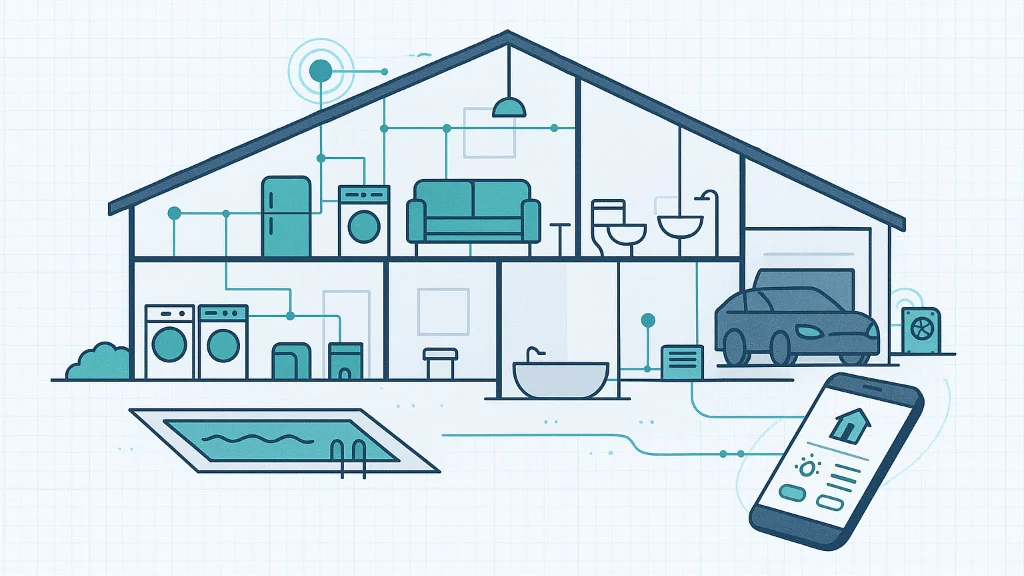
American homeowners spend between $4,000 and $22,000 annually on home maintenance, yet most approach it reactively—waiting until something breaks to take action. Nearly half of all homeowners worry about appliance failure, and for good reason: the average homeowner is without functioning appliances for nearly 11 days, spending almost 12 hours just researching, scheduling, and completing repairs.
For property management teams, those costs multiply across every unit in the portfolio. The gap between what homes need and how they’re managed has never been wider. Appliances are more complex, maintenance schedules more demanding, and the cost of reactive repairs continues climbing. Industry estimates suggest that more than half of appliance failures are preventable with proper maintenance
Industry estimates suggest that more than half of appliance failures can be avoided with proper maintenance. — yet only 55% of homeowners perform preventative maintenance, with 33% bypassing it altogether.
That’s the problem Spanr solves. As the Property Intelligence Platform for residential property managers, it transforms property maintenance from scattered chaos into organized, proactive care.
Building the Living Record of Every Unit
Every unit has a story — the appliances that keep it running, the people who maintain it, and the care it needs over time. For most property management teams, that story exists in fragments: scattered receipts, turnover notes, and half-filled spreadsheets. There’s no single place where it all comes together.
That’s where Spanr steps in — creating a living digital record of each property and unit. It brings together what’s installed, when it was last serviced, and who helps keep it working. The AI behind it connects the dots between appliances, maintenance needs, and providers, organizing information that would otherwise be forgotten or lost.
Instead of hunting through files and memory, your team finally sees each property as one connected system — alive, organized, and ready for action.
Your Asset Inventory, Finally Organized
It all starts with the basics: what’s in each unit.
You can manually add appliances, fixtures, and equipment — or simply search by brand or model to fill in details faster. Uploading a photo or using your camera isn’t about automation; it’s about documentation. Each entry becomes a structured piece of the property record that your team — and, with authorization, property owners — can rely on.
Once added, every appliance becomes more than a name on a list — it’s a trackable, maintainable item with its own care history and related service notes. The system’s structure ensures nobody has to remember when you last cleaned the filter or where that serial number was written down. It’s all in one organized view, ready whenever you need it.
Meet Dr. Spanr: 24/7 Help for Residents
When something goes wrong, a resident’s first instinct is usually panic — or a call to maintenance. Dr. Spanr changes that dynamic. It’s the 24/7 home assistant residents receive through their property team, built to help them describe problems in plain language and get clear, actionable guidance.
A resident might type, “My dishwasher is leaking,” or “The AC smells weird.” Dr. Spanr understands the unit’s context, then walks them through step-by-step troubleshooting they can actually follow. Sometimes it points out an easy fix; other times, it captures the issue for the property team.
If it’s beyond a simple fix, the conversation becomes a tracked maintenance request — linked to the appliance, timestamped, and ready for the property team to assign to a service provider. It’s not about replacing technicians — it’s about translating everyday concerns into organized action.
Personalized Care Plans & Reminders
Most people only think about maintenance after something breaks. Spanr flips that cycle through preventive maintenance plans tailored to every asset in the portfolio.
Each item — from a dryer to a water heater — comes with care routines based on type, brand, and usage. These might include simple tasks like “vacuum refrigerator coils every six months” or seasonal reminders such as “flush the water heater annually.” The system keeps track of what’s due, sends reminders before problems arise, and lets your team log completions or assign them to a provider.
For example: Schedule dryer vent cleaning in March, water heater checks in September, and quarterly HVAC filter changes across every unit. Each task is scheduled based on manufacturer recommendations and each property’s specific needs.
The goal isn’t to flood your team with alerts — it’s to build a sustainable rhythm of care that keeps every unit efficient, safe, and reliable. Over time, it transforms maintenance from a chore into a simple, predictable routine.
The economic impact is real: 67% of homeowners have experienced an appliance breakdown while cooking a holiday meal, and the average cost of damage from appliance-related emergencies is $1,330. With preventive care, many of these costly surprises become avoidable.
Local Expertise, Intelligently Connected
No matter how organized your property records are, you still need people to keep things running. Spanr connects property management teams with their preferred service providers whenever professional help is needed.
Your team can add preferred vendors or search for nearby pros — plumbers, electricians, HVAC technicians — automatically filtered by your property’s address. Behind the scenes, the system matches your issue or appliance type with the right trade, saving your team from endless searching.
It’s the difference between a random directory and a context-aware network that understands each unit’s setup and history.
From “What’s Wrong?” to “What’s Next?”
The process doesn’t end when an issue is reported — it’s just the start.
Whether a problem comes in through Dr. Spanr or directly from your team, it appears on the dashboard with everything you need to track it: what’s pending, who’s assigned, and what needs follow-up. Each repair or maintenance note becomes part of your property’s ongoing story.
Over time, patterns begin to emerge — which items break down most often, which brands hold up best, and when replacements make sense. That data turns reactive fixes into predictive insight, helping your team plan smarter, act earlier, and give property owners clear visibility into maintenance spend.
Intelligence That Assists, Not Assumes
AI in property management shouldn’t guess, it should guide. That’s the principle behind Spanr’s design. Every intelligent feature — from Dr. Spanr’s troubleshooting to provider matching — works with the user, not in place of them. The platform doesn’t pretend to know what’s installed or what’s wrong; it learns from the records your team maintains. It’s built on structure, context, and follow-through.
The result is a system that helps your team make decisions faster and manage your portfolio with confidence. It favors clarity over complexity, usefulness over spectacle.
Because the future of AI in property management isn’t about removing the human — it’s about giving them the right kind of help.
Property Intelligence in Your Pocket
Modern property operations need to work wherever your team is. Whether a technician is at the supply store trying to confirm a water heater model, a manager is off-site when an AC fails, or someone needs to log a maintenance task between showings — Spanr is designed for work on the go.
The mobile-first experience means every property record travels with your team. Snap photos of appliances, review resident conversations with Dr. Spanr, schedule service appointments, and track maintenance—all from a phone. Access property records even without an internet connection for supply runs or emergency situations. It’s the command center for your portfolio, accessible whenever and wherever you need it.