
Garbage Disposal Buying Guide 2026: 4 Things to Know Before You Buy
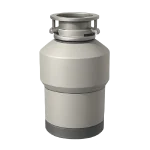
This overview page is your quick-start decision layer. Use it to prioritize what matters most, then open the dedicated best-of and comparison guides before purchase.
4 Key Factors When Buying a Garbage Disposal
1Grind Chamber Materials
Why it matters
The internal grinding chamber is a high-moisture environment prone to corrosion. Budget units often use galvanized steel components which eventually pit and rust, leading to internal holes that leak water directly into your wooden cabinetry.
What to look for
- “All Stainless Steel” grinding ring, flyweights, and swivel impellers.
- A “LeakGuard” or similar liner warranty.
- Removable splash guards (easier to clean the chamber and prevent gunk buildup).
Expert Take
Stainless steel components don’t just stop leaks; they maintain a sharper grinding edge over time, which reduces the particle size of food waste sent to your pipes.
2Motor Type and Horsepower
Why it matters
Motor choice dictates both speed and longevity. Permanent magnet motors spin faster (over 2,600 RPM) to prevent immediate jams, while induction motors spin slower but offer more consistent torque and significantly quieter operation.
What to look for
- 1/2 HP: Minimum for light, soft-food use.
- 3/4 HP: The standard for families; handles most bones and fibrous scraps.
- 1 HP: Heavy-duty; necessary for grinding high volumes or tough rinds.
Expert Take
Never grind grease, eggshells, or high-fiber items like corn husks regardless of HP; however, a 3/4 HP induction motor is the ‘sweet spot’ for balancing power with a long lifespan.
3Mounting and Installation Logic
Why it matters
Replacing a disposal is significantly easier if you match the existing mounting system. InSinkErator and many store brands use a 3-bolt ‘Quick Lock’ mount, while brands like Waste King typically use a plastic ‘EZ-Mount’ system.
What to look for
- Matching the mount type to your current sink flange to avoid a full teardown.
- A dishwasher inlet port (check for the ‘knockout’ plug before install).
- Compatibility with ‘Batch Feed’ stoppers if you prefer not to use a wall switch.
Expert Take
If you are switching from a 3-bolt mount to an EZ-Mount, you will have to replace the sink flange entirely, which requires plumber’s putty and significantly more labor.
4Sound Insulation and Decibel Rating
Why it matters
A standard disposal runs at approximately 80 dB, which is loud enough to interrupt all kitchen activity. Premium insulated models reduce this to between 25–45 dB, making the unit significantly quieter than a normal 60 dB conversation.
What to look for
- Full acoustic foam insulation wraps.
- Vibration-isolating sink mounts and tailpipe couplers.
- Multi-stage grind technology (which reduces noise by liquefying food faster).
Expert Take
Quiet models are physically much larger due to the extra insulation; ensure your under-sink plumbing and pull-out trash bins have enough clearance for the wider diameter.
Key Decision Factors
| Factor | Price Impact | Importance | Deal Breaker |
|---|---|---|---|
| Grind Chamber Materials | $50-$90 more | Critical | Yes |
| Motor Type and Horsepower | $40-$110 more | High | Yes |
| Mounting and Installation Logic | $0-$30 (kit cost) | High | No |
| Sound Insulation and Decibel Rating | $70-$150 more | Medium | No |
Common Mistakes
- DISHWASHER KNOCKOUT PLUG: If connecting a dishwasher, you must punch out the internal plastic plug in the disposal's inlet; failing to do so will cause your dishwasher to flood.
- MISSING POWER CORDS: Verify if the model includes a pre-installed plug; many professional-grade units are sold as 'hardwire-ready' and require a separate cord kit for outlet use.