
Continuous Feed vs Batch Feed Garbage Disposals 2026: Safety, Workflow, and Installation
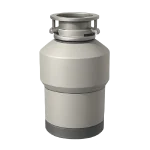
This comparison page helps resolve the primary mechanical decision for modern kitchen cleanup. While most homes default to continuous feed, batch feed models provide a specialized alternative for safety-conscious households and specific island installations. Decide platform first, then compare specific models.
3 Key factors for Continuous Feed vs Batch Feed Garbage Disposals
1Safety and Activation Method
Why it matters
The activation method defines the safety profile of your sink. Continuous feed units use a remote switch, leaving the grinding chamber open while active. Batch feed units require a magnetic stopper to be turned in the drain to start the motor, creating a physical barrier.
Continuous Feed — Choose this if
- You have an existing wall switch or sink-top air switch already wired into your kitchen.
- You are a fast-paced cook who wants to scrape food directly into the drain while the machine is running.
- You want the widest selection of price points and horsepower ratings.
- You prefer the lowest upfront cost for the disposal unit itself.
Batch Feed — Choose this if
- You have young children and want to ensure the unit cannot be turned on without the drain being sealed.
- You are concerned about silverware or jewelry accidentally falling into an active disposal.
- You are installing the unit on a kitchen island where running electrical wires for a wall switch is difficult.
- You want a unit that automatically prevents ‘splatter’ by keeping the drain covered during operation.
2Kitchen Workflow and Capacity
Why it matters
Workflow and capacity determine how much time you spend at the sink. One platform allows for a ‘continuous stream’ of waste, while the other processes waste in discrete batches (typically 3–5 cups at a time).
Continuous Feed — Choose this if
- You host large dinner parties and need to process high volumes of scraps without stopping.
- You prefer a ‘clear-as-you-go’ workflow where waste never sits in the sink.
- You don’t want to manage a specialized stopper that must be cleaned and stored after every use.
- You are comfortable with the sound of the disposal being ‘open’ to the room during operation.
Batch Feed — Choose this if
- You have a smaller household (1-3 people) and generate modest amounts of food waste.
- You prefer a more ‘contained’ cleanup process where you fill the 3–5 cup chamber once and finish the job.
- You want a quieter environment; the combination of a sealed stopper and premium insulation significantly muffles noise.
- You find that controlled batching helps you avoid the common habit of overloading that can lead to jams.
3Installation and Resource Usage
Why it matters
Long-term ownership involves considering installation complexity and resource usage. While both types require a 1/2 HP motor or higher for most families, they differ in how they affect your utility bills and maintenance routine.
Continuous Feed — Choose this if
- You want a machine that is easy for any plumber to service or replace using standard parts.
- You already have the infrastructure (wall switch) and want a straightforward ‘plug-and-play’ replacement.
- You are diligent about running water for 15 seconds after the grind to ensure pipes are clear.
- You want a compact unit that saves cabinet space underneath the sink.
Batch Feed — Choose this if
- You want to reduce your household water usage, as these units only require water during the short grind cycle.
- You want to save money on electrical installation; these units can often plug into a standard outlet without a wall switch.
- You want a more premium, durable build; batch feed models are generally higher-end and use more stainless steel.
- You are prepared to keep the stopper clean and free of debris to ensure the magnetic sensor stays responsive.
Key Decision Factors
| Factor | Price Impact | Importance | Deal Breaker |
|---|---|---|---|
| Safety and Activation Method | $50-$150 more | Critical | Yes |
| Kitchen Workflow and Capacity | $30-$80 more | High | No |
| Installation and Resource Usage | $100-$250 more | Medium | No |
Common Mistakes
- STOPPER RELIANCE: Batch feed units are completely unusable if the magnetic stopper is lost or broken; check that the manufacturer offers readily available replacements before purchasing.
- GRIND LIMITATIONS: Never put grease, large bones, or non-food items in either type; grease will solidify in pipes, and hard objects can permanently damage the impellers of any residential unit.